
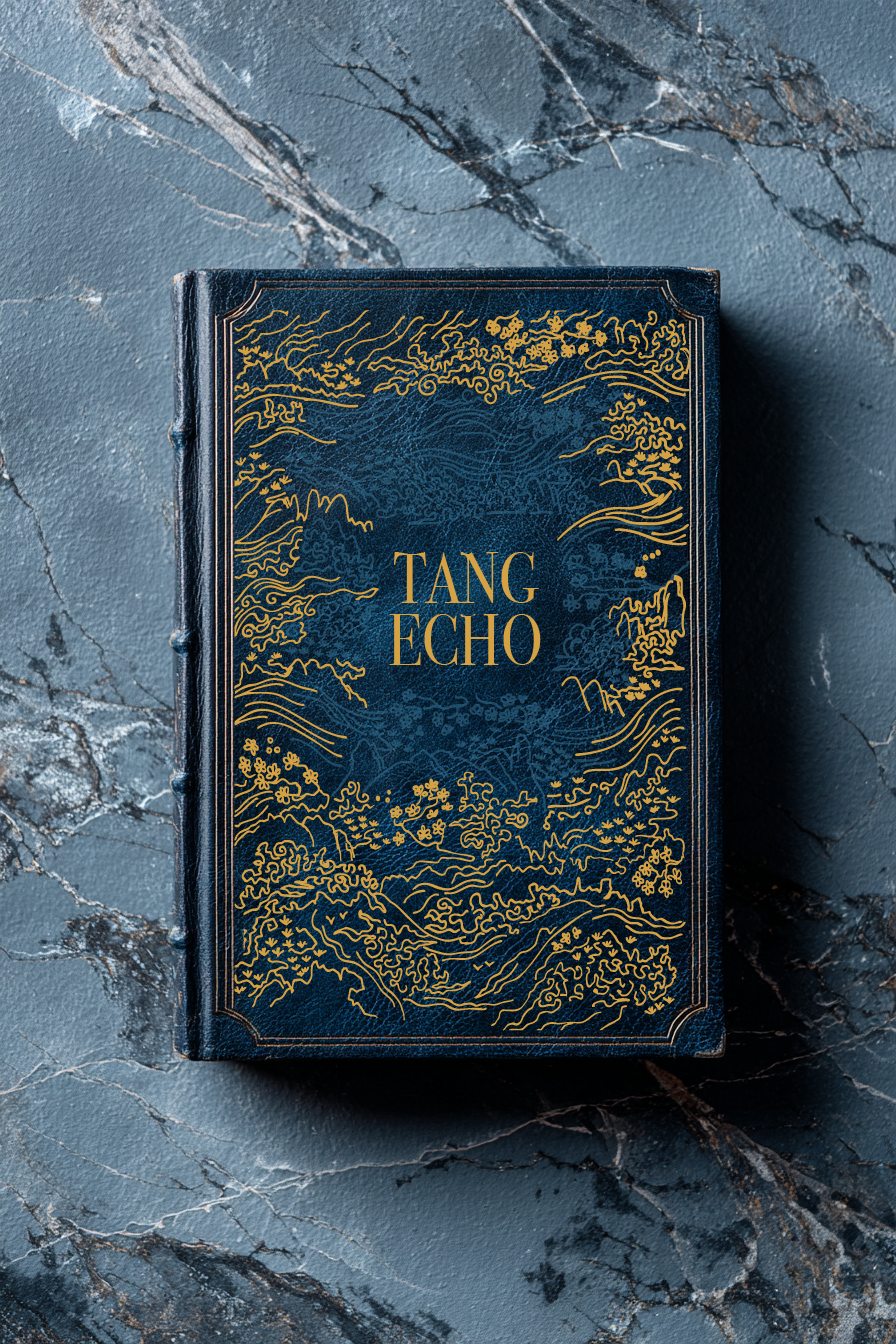
Tang Echo
(2026)
By Steven H Ma
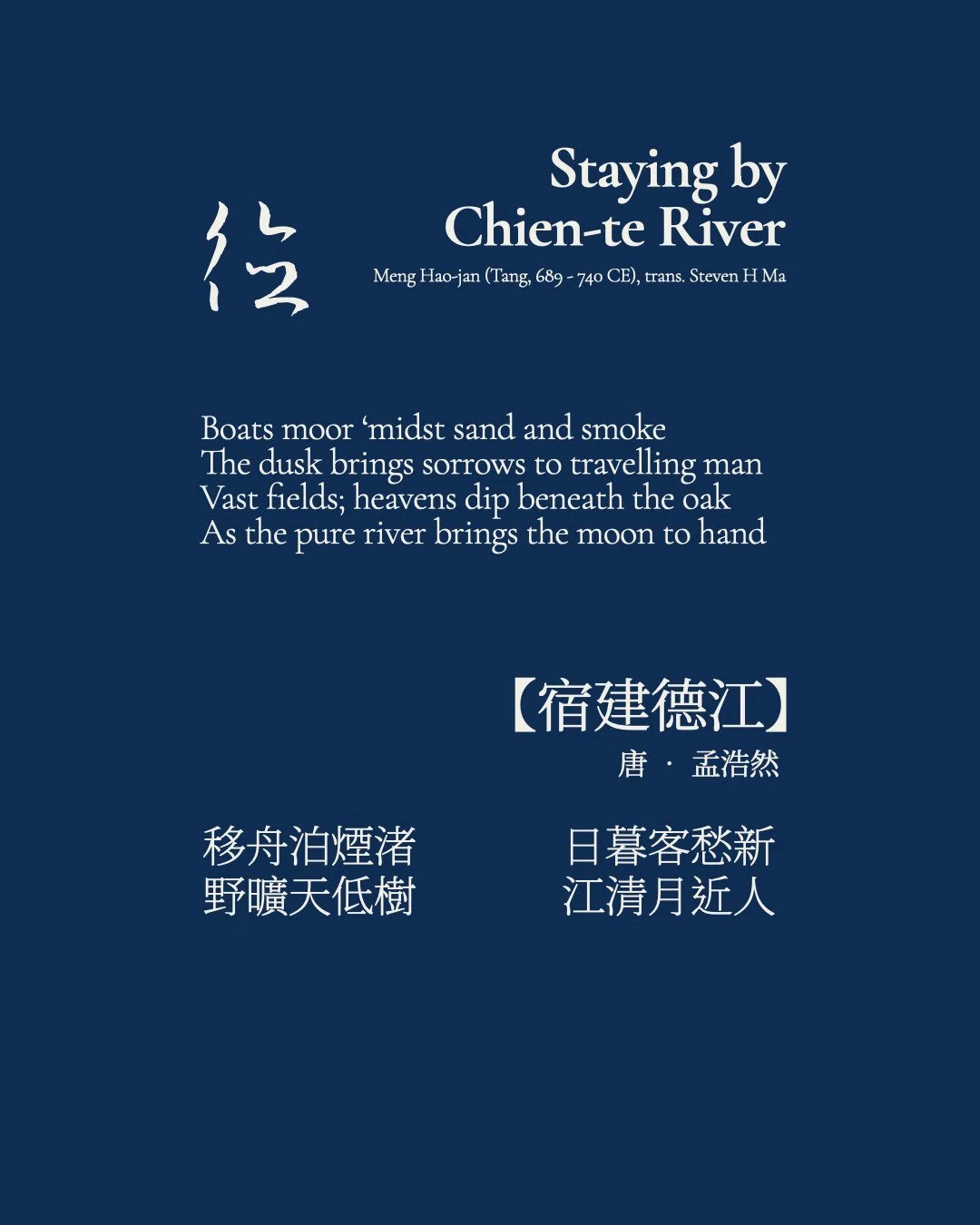
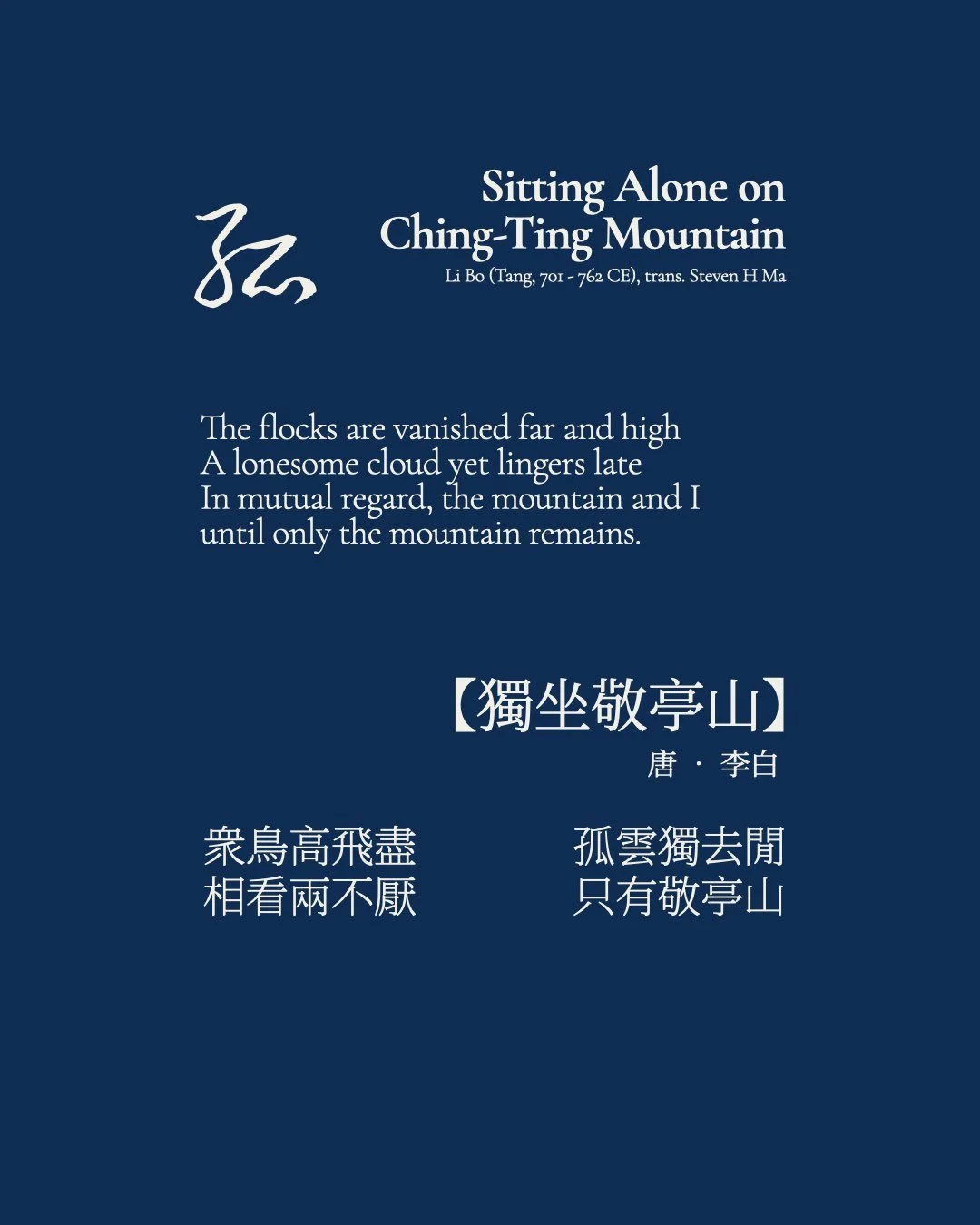
32 Translations of Tang Dynasty (618-907CE) Poetry
Original Accompanying Illustrations
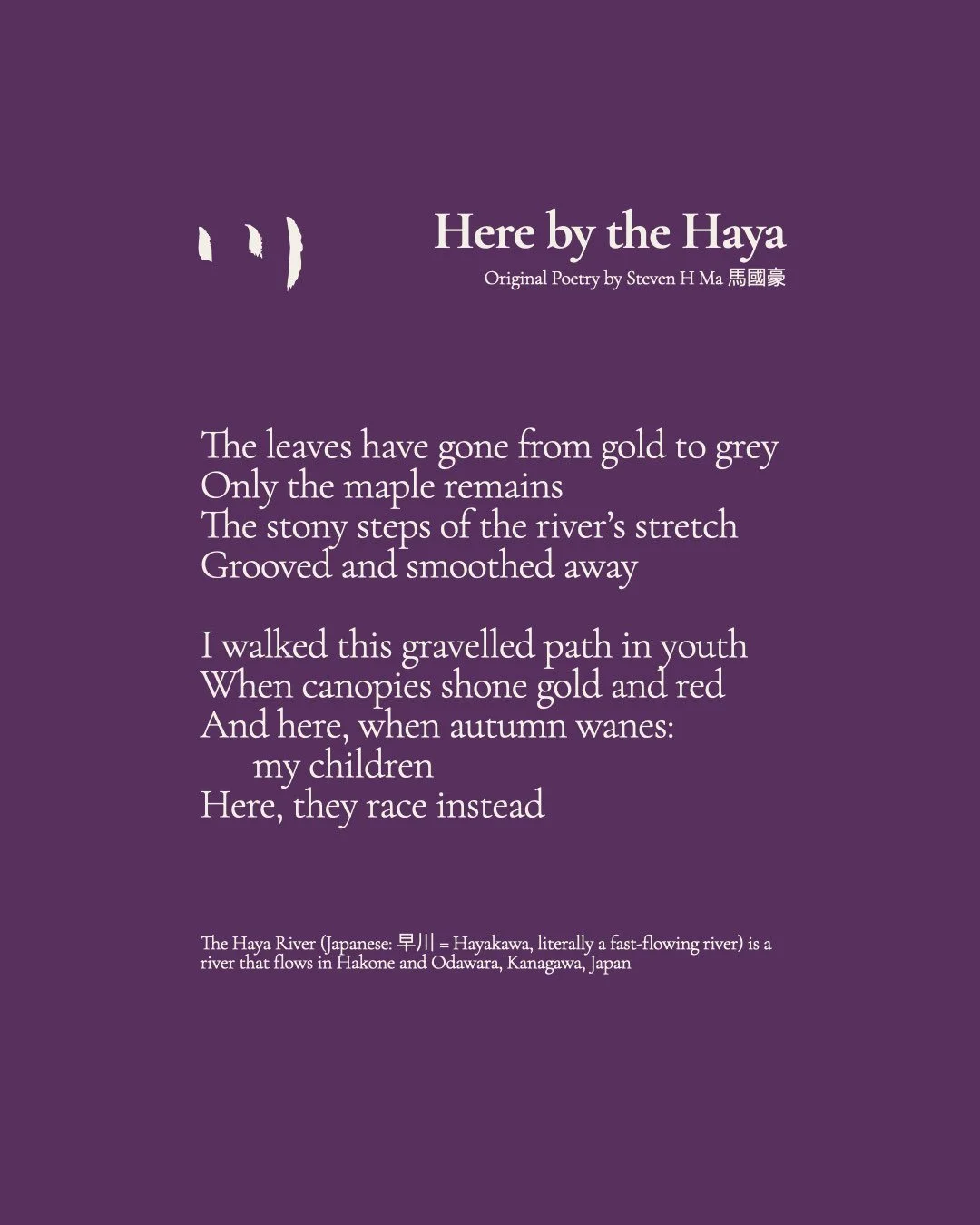
Original Echo Poems in English
[EN] A multidisciplinary visual and literary project for readers of English, refreshing Tang poetry for the modern age. This book pairs the Tang form zyut6 geoi3 (絕句) with kachō-e (花鳥絵) inspired illustrations and responding to them with thirty two of my own original poems; on themes of love, nature, belonging and place.
Sixty-four fine art illustrations accompanying each poem will be created at my upcoming Kyoto residency.
[JP] 英語圏の読者に向け、唐詩を現代に新たなかたちで蘇らせる、視覚芸術と文学を横断するプロジェクト。本書では、唐代の詩型である絶句(広東語:zyut6 geoi3)に、花鳥絵から着想を得た挿絵を組み合わせ、それらに呼応する私自身のオリジナル詩32篇を収録する。愛、自然、帰属、そして場所をテーマとしている。
各詩に添える計64点のファインアート作品は、今後予定している京都でのアーティスト・イン・レジデンスにて制作する。
[FR] Un projet visuel et littéraire multidisciplinaire destiné aux lecteurs anglophones, qui revisite la poésie Tang pour notre époque. Ce livre associe la forme poétique Tang zyut6 geoi3 (絕句) à des illustrations inspirées du kachō-e (花鳥絵), auxquelles répondent trente-deux de mes propres poèmes originaux, autour des thèmes de l’amour, de la nature, de l’appartenance et du lieu.
Soixante-quatre illustrations d’art accompagnant chacun des poèmes seront créées lors de ma prochaine résidence artistique à Kyoto.
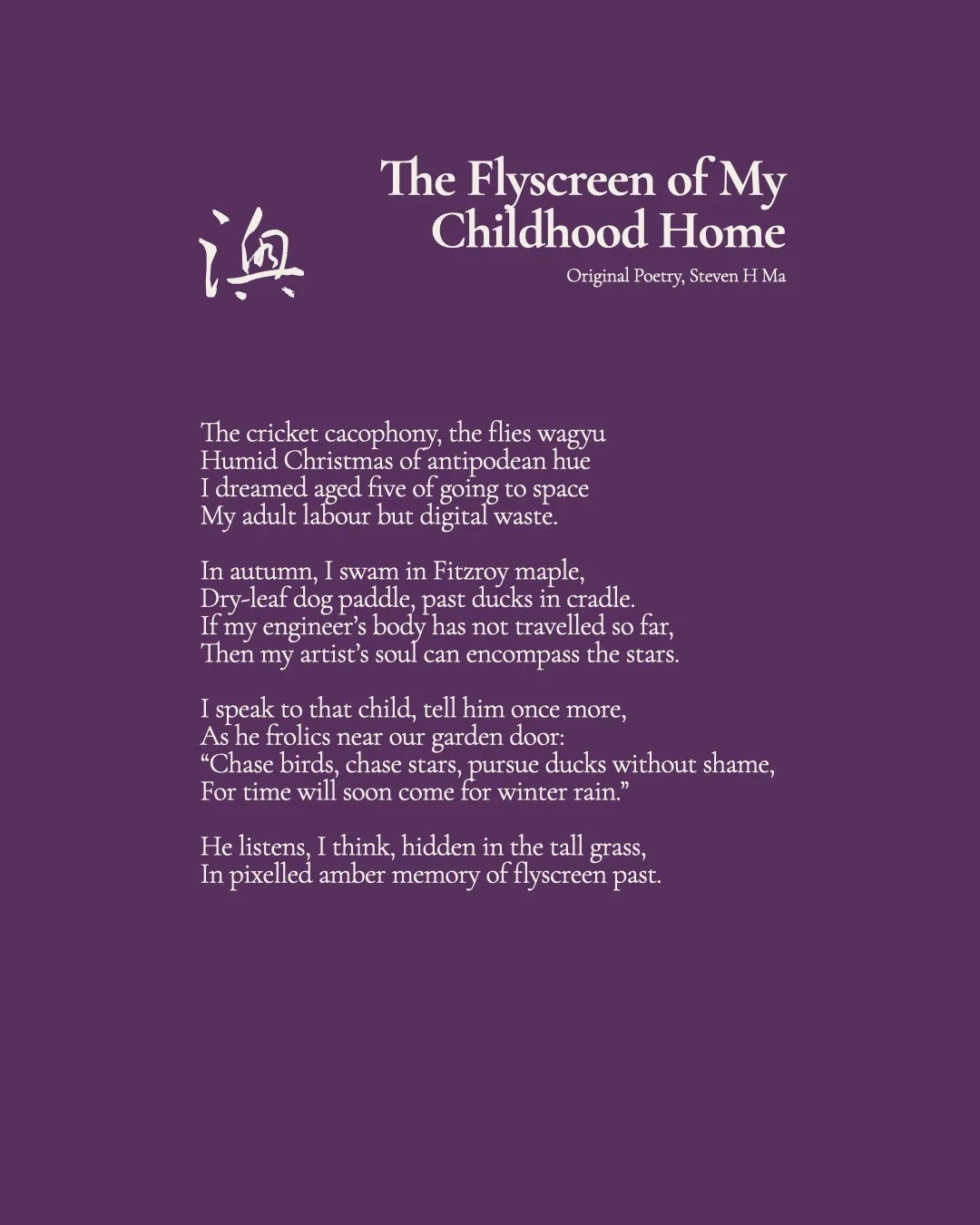
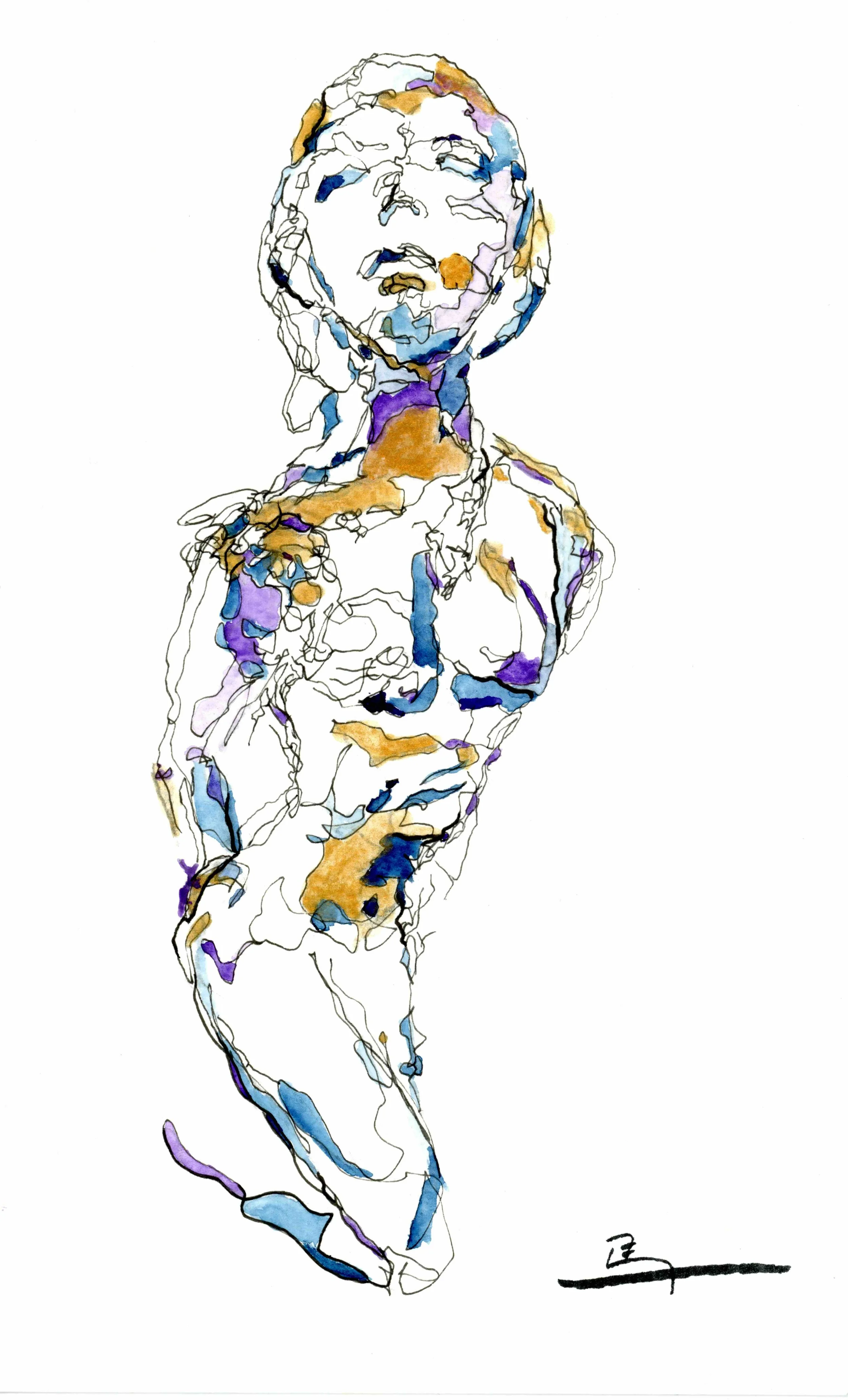
Our Bones the Hills
(2026-)
Steven H Ma | 馬國豪
297 × 420 mm (No. 1, bottom left), various sizes
Watercolour, pencil and fineliner on cotton paper
Series of eighteen paintings & drawings, ongoing.
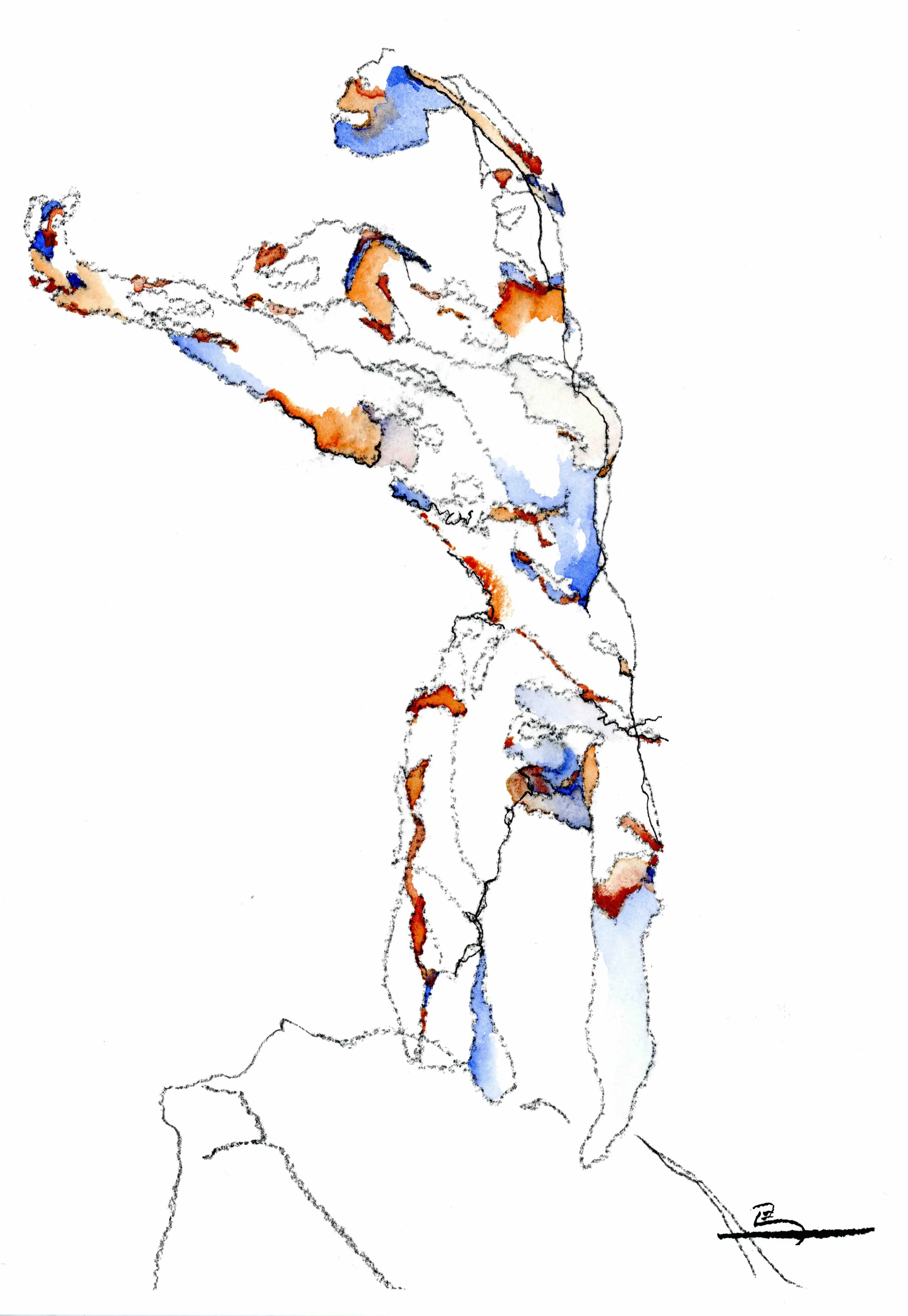
[EN] Our Bones the Hills is a tribute to the Chinese Australians of the Victorian Gold Rush and the Chinese Americans who built the Transcontinental Railroad. Far from their ancestral hearths, countless “coolie” labourers died largely nameless while building the wealth of the Western colonial world. Their bones and qi now form the earth, one with the copper, jade, rust and gold they once mined and built.
The series depicts bodies as mineral and geological forms, drawing on the figuration of Egon Schiele and the reimagined bodies of Rodin and Ogiwara Morie. Quartz, marble and metallic veins become both flesh and history.
The works comprise three sub-series: of Memory, in gold, purple and Prussian blue; of Rail, in rust, sienna and ultramarine; and of Home, in jade, copper and umber.
Developed through drawing on site at MONA in Hobart, the Victorian goldfields around Daylesford, and Musée Rodin in Paris.
[JP]『Our Bones the Hills』は、ヴィクトリア州のゴールドラッシュに生きた中国系オーストラリア人と、アメリカ大陸横断鉄道を建設した中国系アメリカ人に捧げる作品である。祖先の故郷から遠く離れ、西洋植民地世界の富を築く労働に従事した無数の「苦力(coolie)」たちは、その多くが名も残さぬまま命を落とした。彼らの骨と気(qi)は今や大地を形づくり、かつて彼らが採掘し、築いた銅、翡翠、錆、金と一体となっている。
本シリーズでは、身体を鉱物や地質の形態として描く。エゴン・シーレの人物表現、そしてオーギュスト・ロダンと荻原守衛によって再構築された身体表現を参照しながら、水晶、大理石、金属の鉱脈を、肉体であると同時に歴史として描いている。
作品は三つのサブシリーズで構成される。金、紫、プルシアンブルーによる「of Memory」、錆、シエナ、ウルトラマリンによる「of Rail」、翡翠、銅、アンバーによる「of Home」である。
ホバートのMONA、デイルズフォード周辺のヴィクトリア州金鉱地帯、パリのロダン美術館での現地ドローイングを通して展開されたシリーズである。
[FR] Our Bones the Hills rend hommage aux Australiens d’origine chinoise de la ruée vers l’or dans l’État de Victoria et aux Sino-Américains qui ont construit le chemin de fer transcontinental. Loin de leurs foyers ancestraux, d’innombrables ouvriers « coolies » sont morts dans l’anonymat en contribuant à bâtir la richesse du monde colonial occidental. Leurs os et leur qi font désormais partie de la terre, mêlés au cuivre, au jade, à la rouille et à l’or qu’ils extrayaient et façonnaient autrefois.
La série représente les corps sous forme minérale et géologique, s’inspirant de la figuration d’Egon Schiele et des corps réinventés de Rodin et d’Ogiwara Morie. Quartz, marbre et veines métalliques deviennent à la fois chair et histoire.
Les œuvres se répartissent en trois sous-séries : of Memory, en or, violet et bleu de Prusse ; of Rail, en rouille, terre de Sienne et outremer ; et of Home, en jade, cuivre et terre d’ombre.
La série a été développée à travers des dessins réalisés sur place au MONA à Hobart, dans les anciens champs aurifères du Victoria autour de Daylesford, et au musée Rodin à Paris.
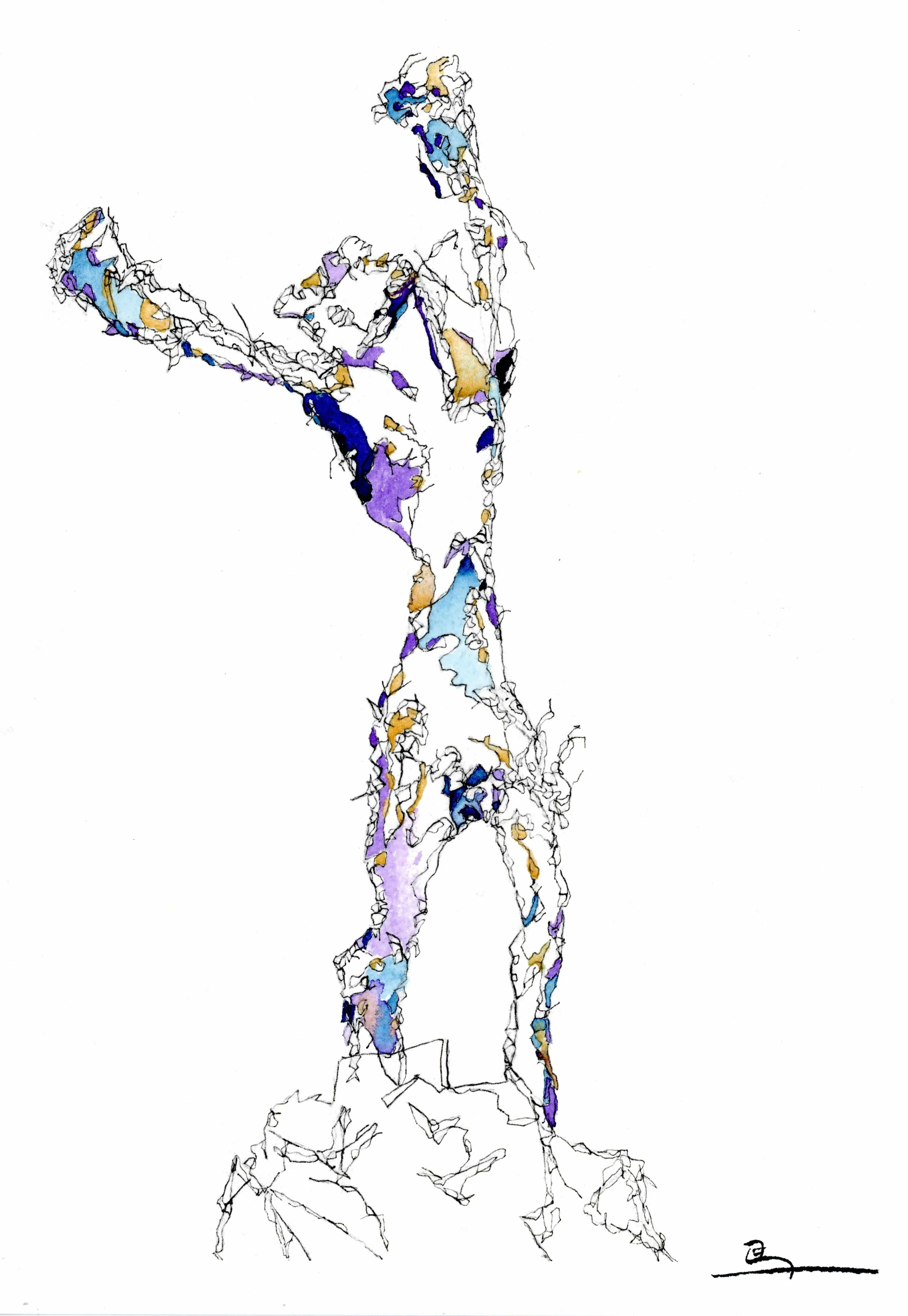
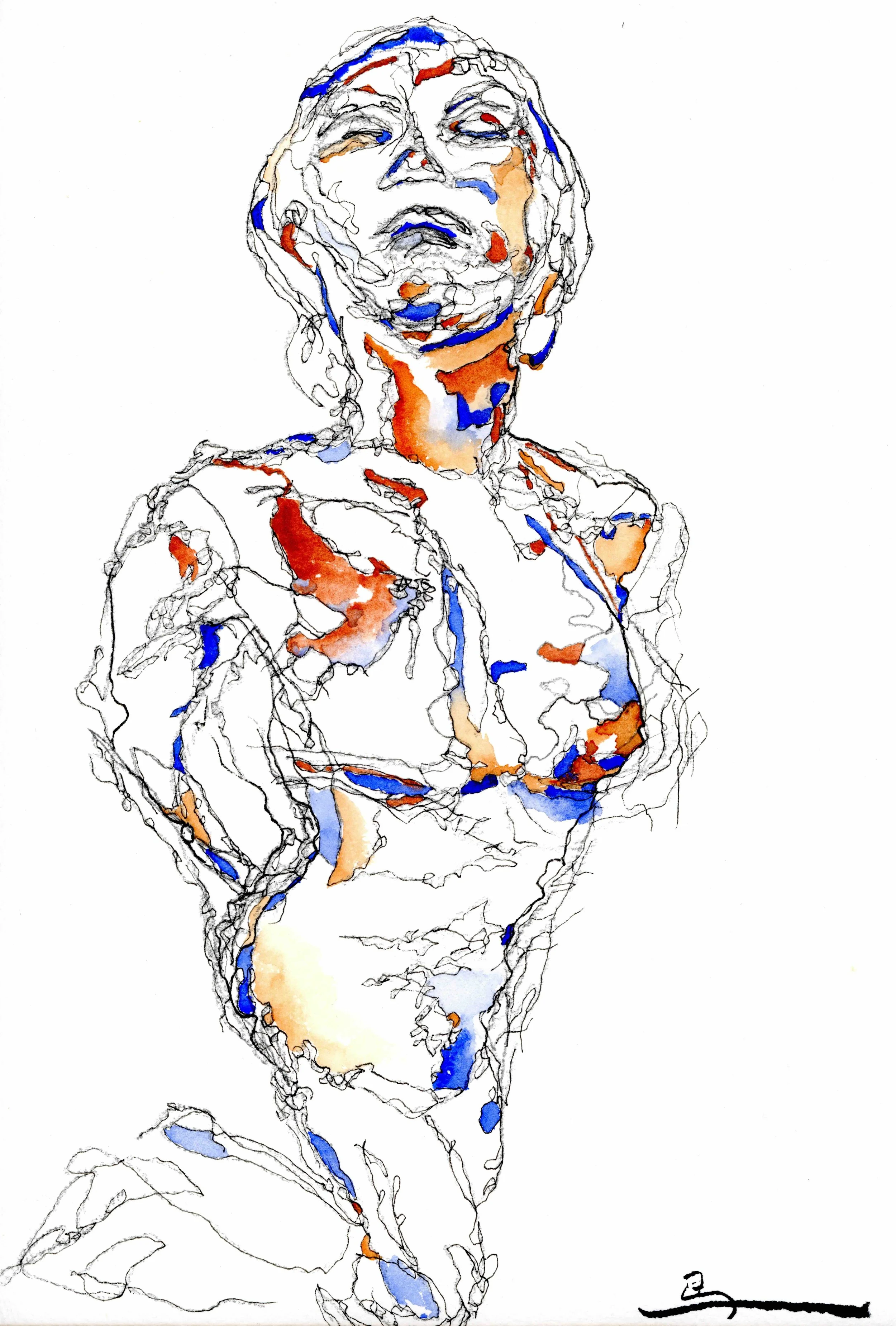
AHXVG
After Hokusai & Van Gogh
(2026)
Steven H Ma | 馬國豪
510 × 410 mm
Watercolour, pencil and fineliner on cotton paper
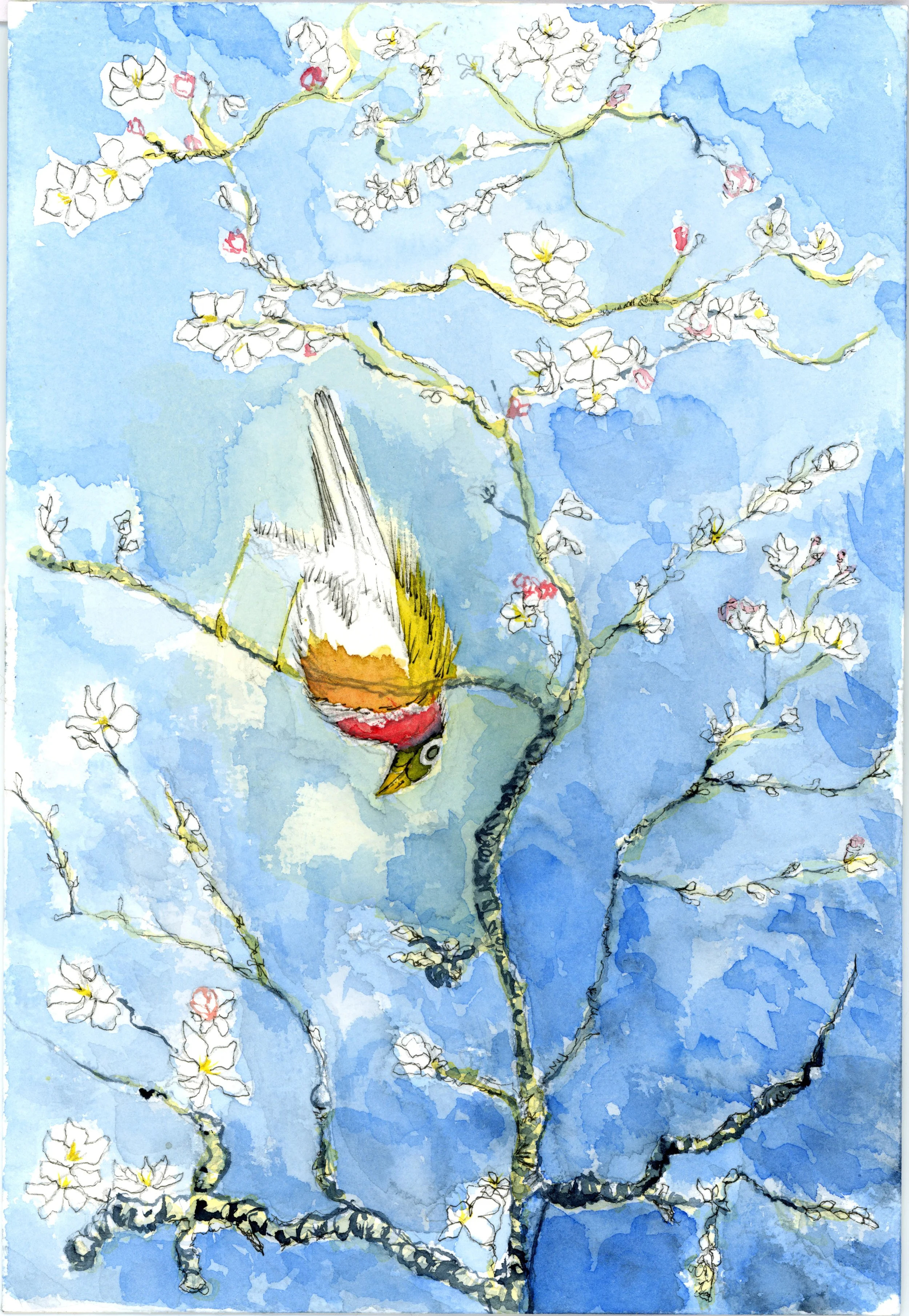
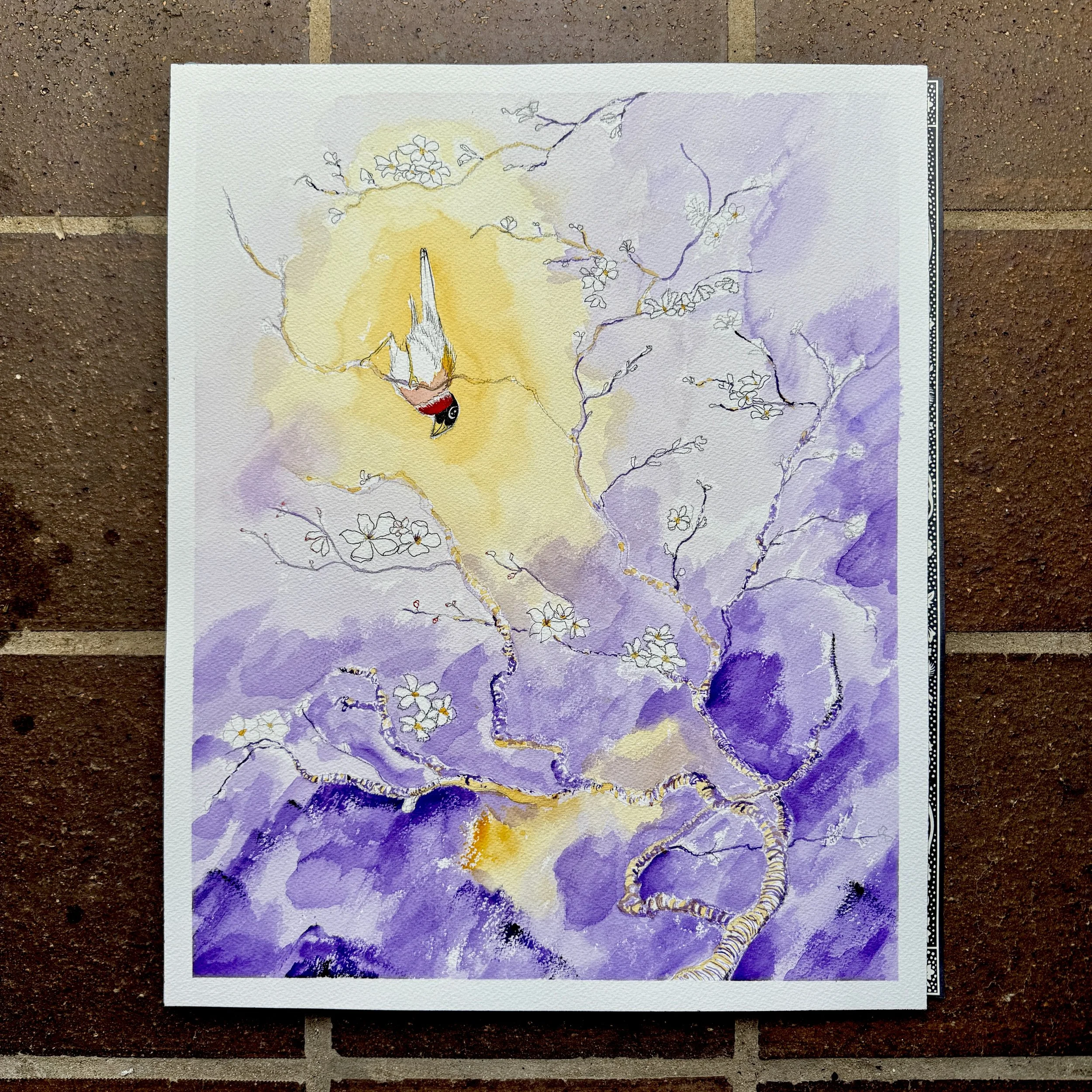
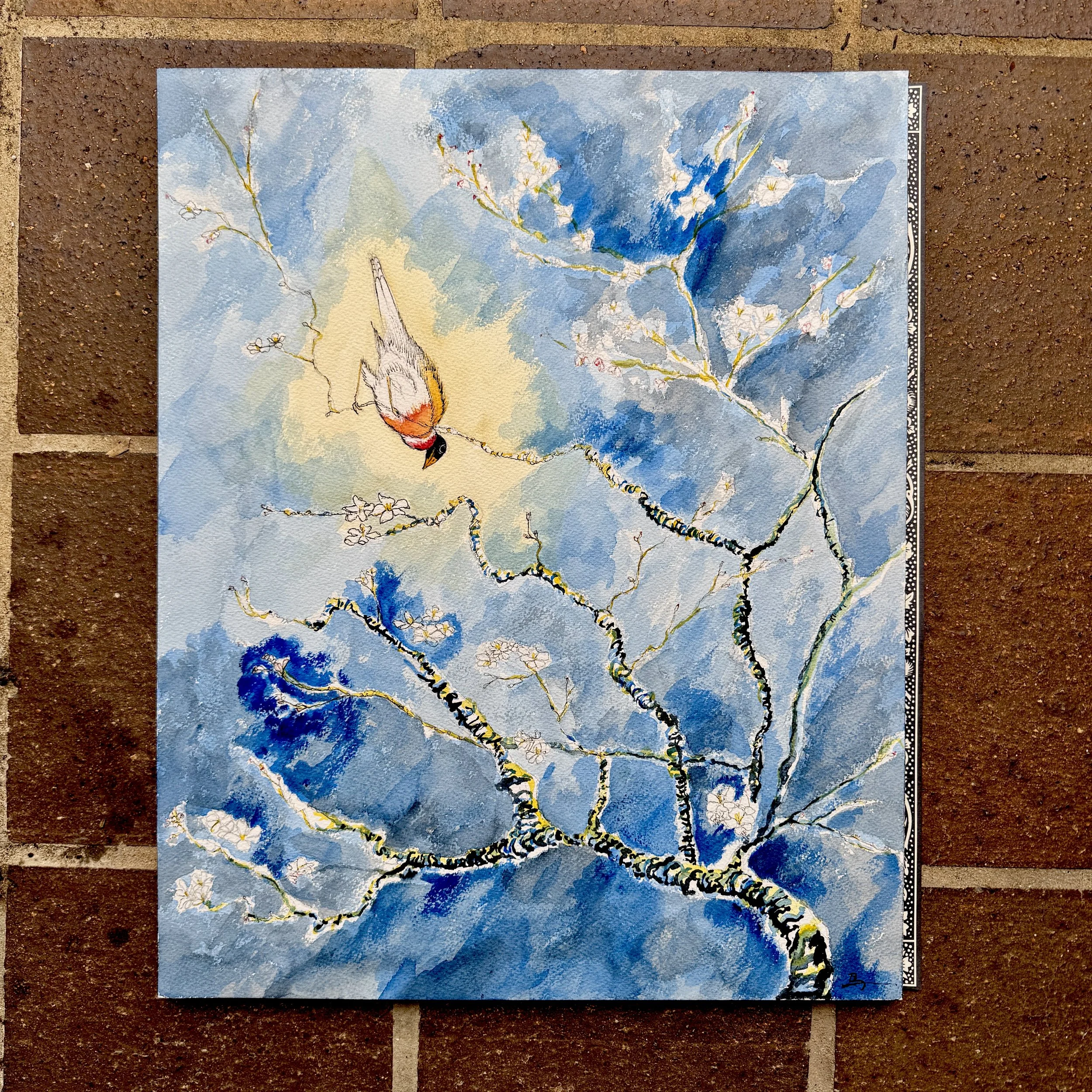
[EN] Continuing my themes of cultural bridging, this series of kachō-e (bird-and-flower) paintings draws on the Osaka Ukiyo-e Museum and Van Gogh’s Japonaiserie. The works unify Katsushika Hokusai’s Bullfinch and Weeping Cherry (Uso, shidare-zakura / 鷽‧枝垂桜), c. 1834, with Van Gogh’s Almond Blossom (Amandelbloesem), 1890, reflecting on the trade, transmission and transformation of culture between East and West.
[JP] 文化をつなぐという私の継続的なテーマのもと、この花鳥絵のシリーズは、大阪浮世絵美術館とフィンセント・ファン・ゴッホのジャポニスムから着想を得ている。葛飾北斎の《鷽・枝垂桜》(1834年頃)と、ゴッホの《アーモンドの花》(Amandelbloesem、1890年)を一つの画面に融合させ、東洋と西洋のあいだで文化が交わり、伝わり、変容していく過程を見つめる作品である。
[FR] Dans le prolongement de mes thèmes autour des passerelles culturelles, cette série de peintures kachō-e (oiseaux et fleurs) s’inspire du musée de l’ukiyo-e d’Osaka et du japonisme de Van Gogh. Les œuvres réunissent Bullfinch and Weeping Cherry (Uso, shidare-zakura / 鷽‧枝垂桜) de Katsushika Hokusai, vers 1834, et Amandelbloesem (Amandier en fleurs) de Van Gogh, 1890, et interrogent les échanges, la transmission et la transformation des cultures entre l’Orient et l’Occident.
Calligraphic Trees
(2026)
Steven H Ma | 馬國豪
44.5 × 89 mm
Watercolour, fineliner and calligraphy pen on cotton paper
Series of 38 paintings
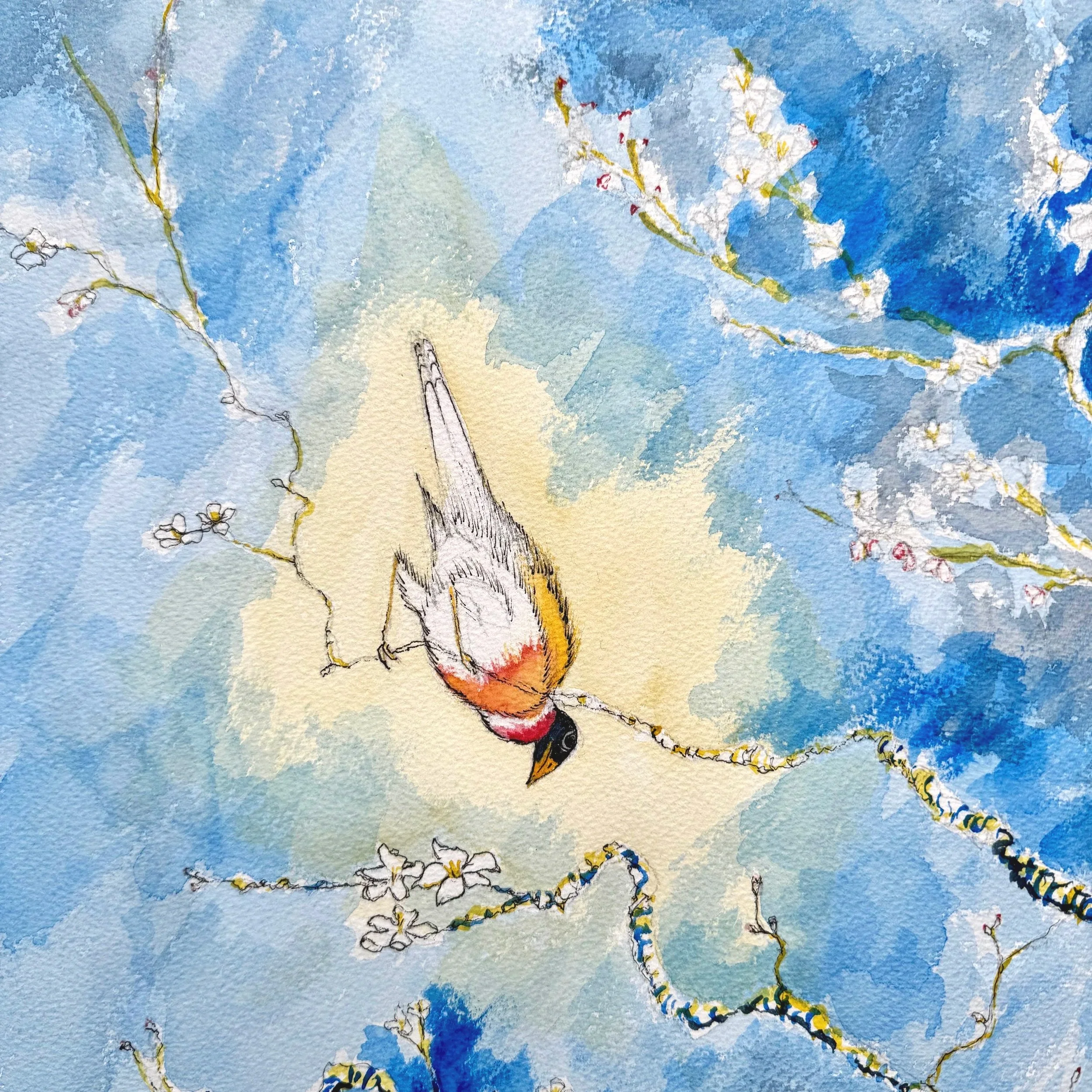
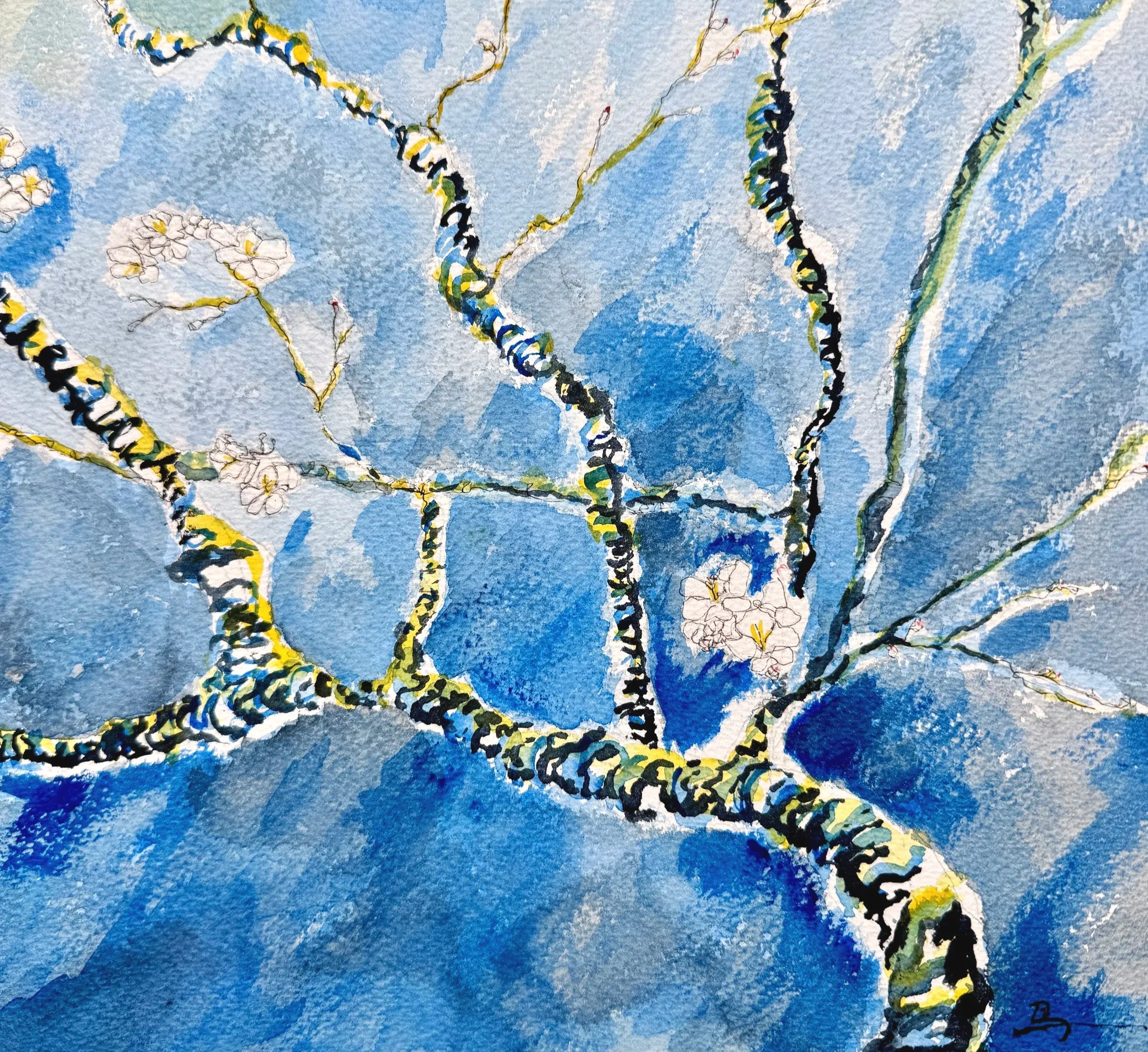
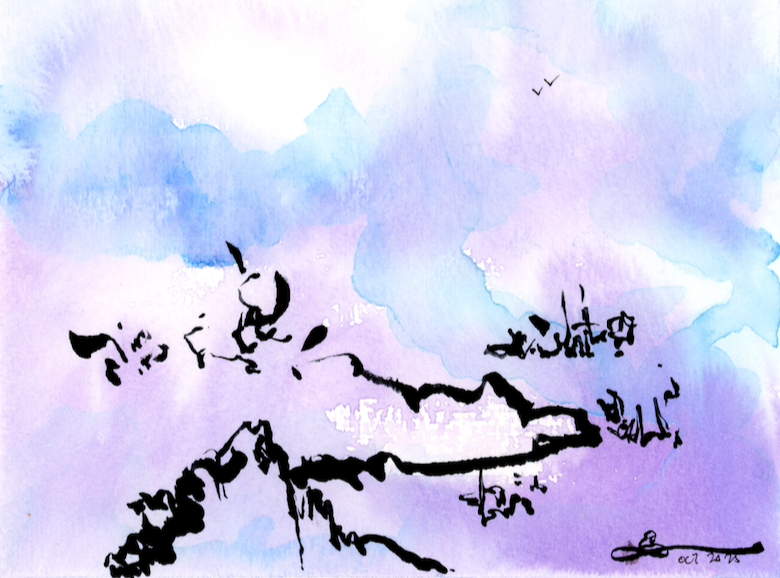
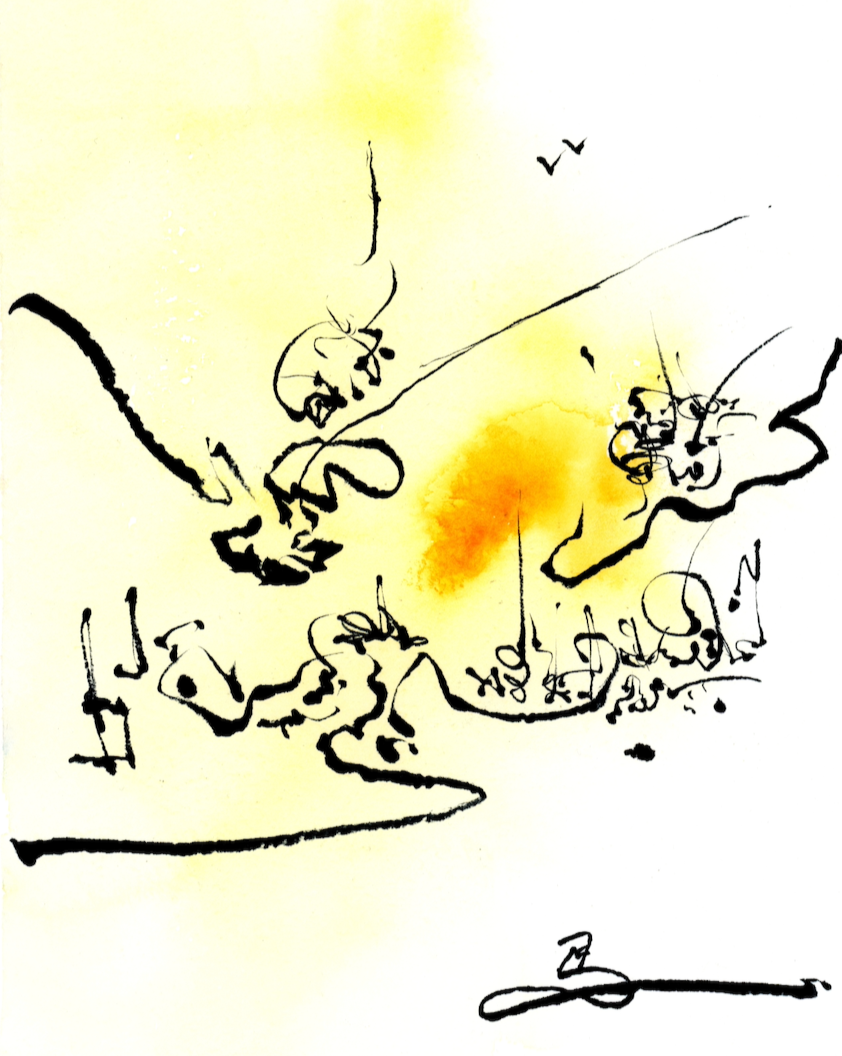
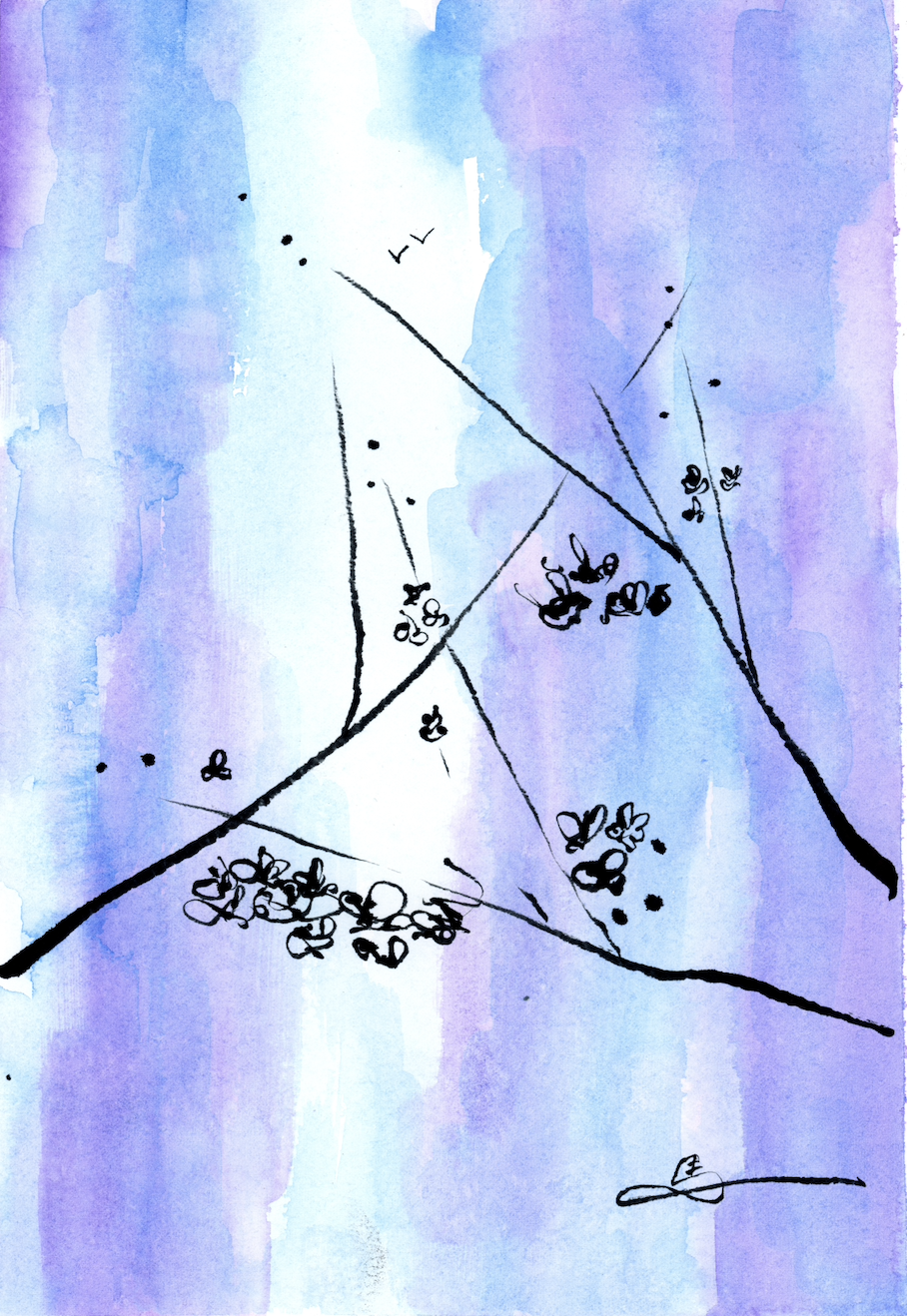
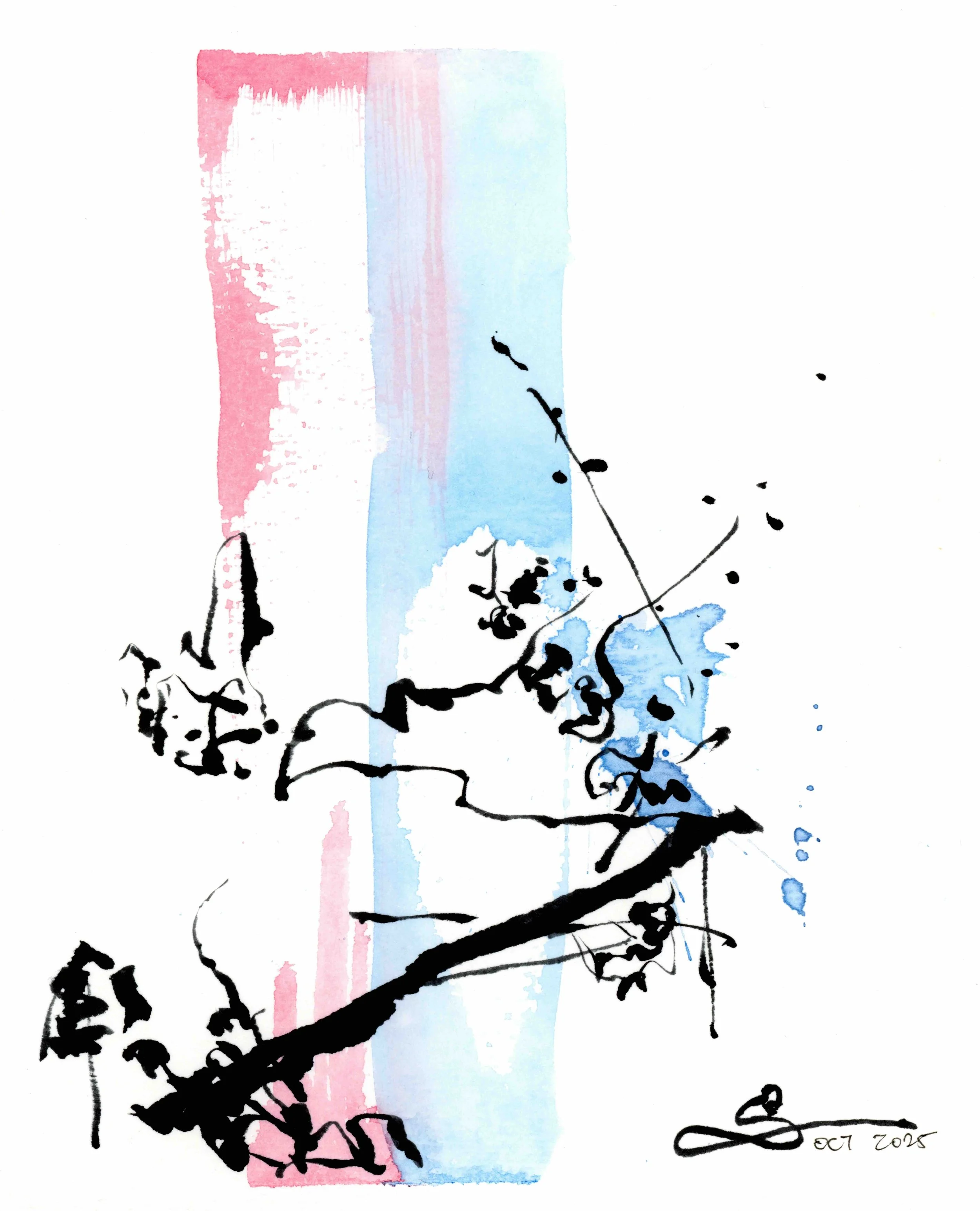
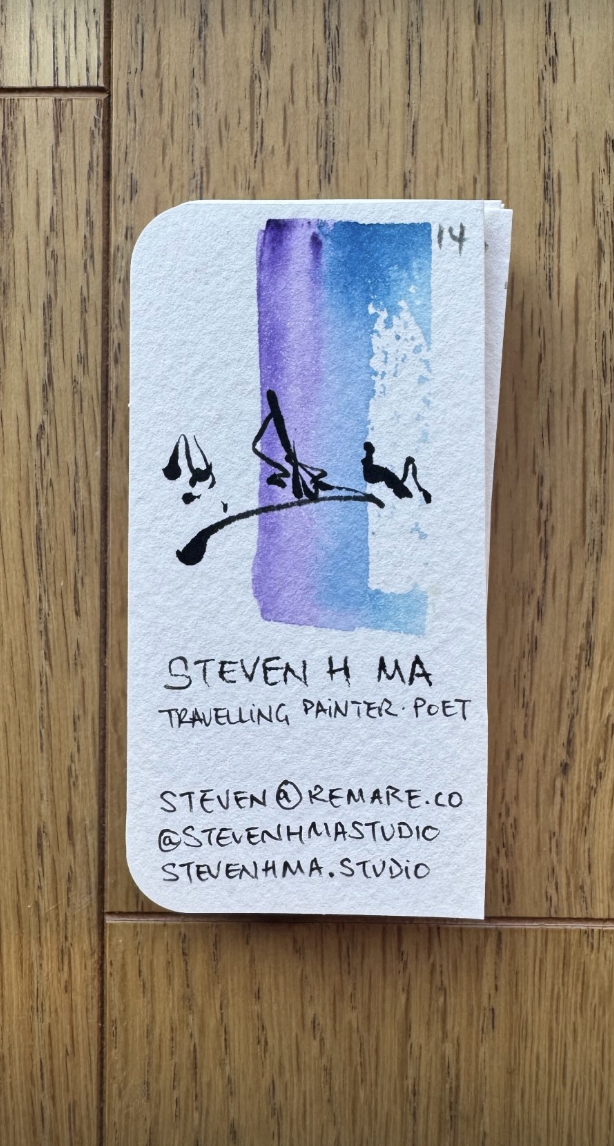
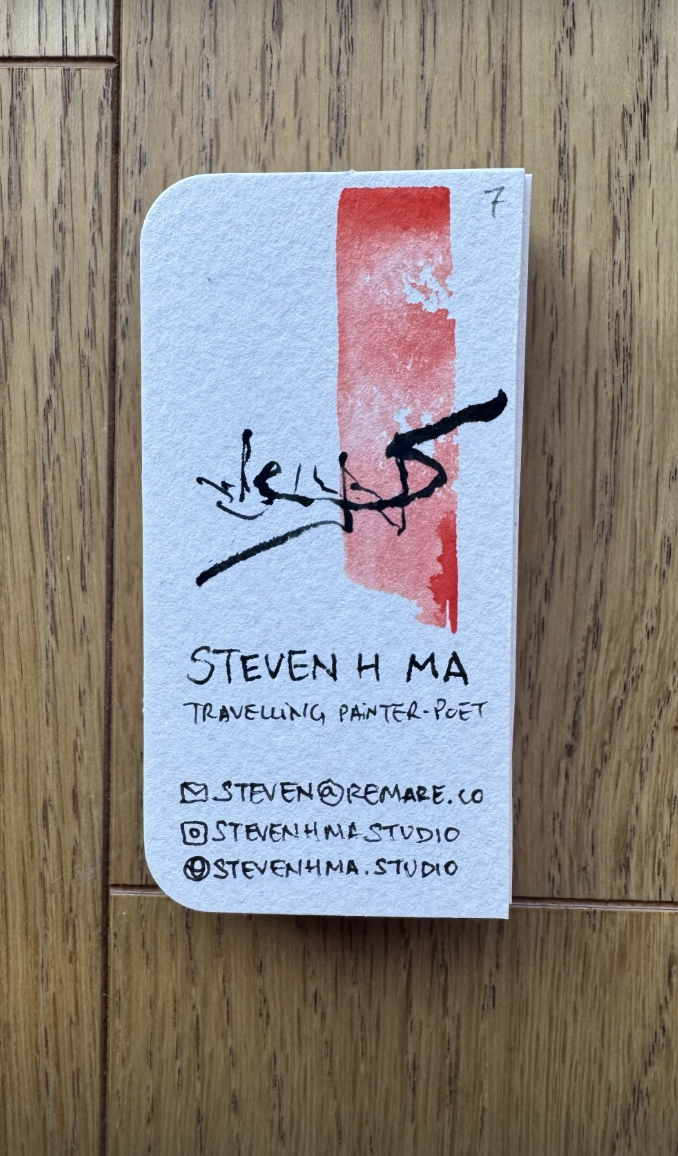
[EN] Calligraphic Trees explores the intersection of arboreal, landscape and calligraphic forms, reducing them to a limited vocabulary of colour and gesture while remaining ambiguous between tree, terrain and mark.
[JP]『Calligraphic Trees』は、樹木、風景、そして「書」の形態が交差する領域を探求するシリーズである。限られた色彩と最小限の筆致へと形態を削ぎ落としながら、樹木や地形、そしてその痕跡のあいだに意図的な曖昧さを残している。
[FR] Calligraphic Trees explore l’intersection entre les formes arborées, paysagères et calligraphiques, les réduisant à un vocabulaire limité de couleurs et de gestes, tout en maintenant une ambiguïté entre arbre, terrain et signe.
Name Cards
Sub-series of Calligraphic Trees
(2026)
Steven H Ma | 馬國豪
44.5 × 89 mm
Watercolour, fineliner and calligraphy pen on cotton paper
Series of 38 paintings
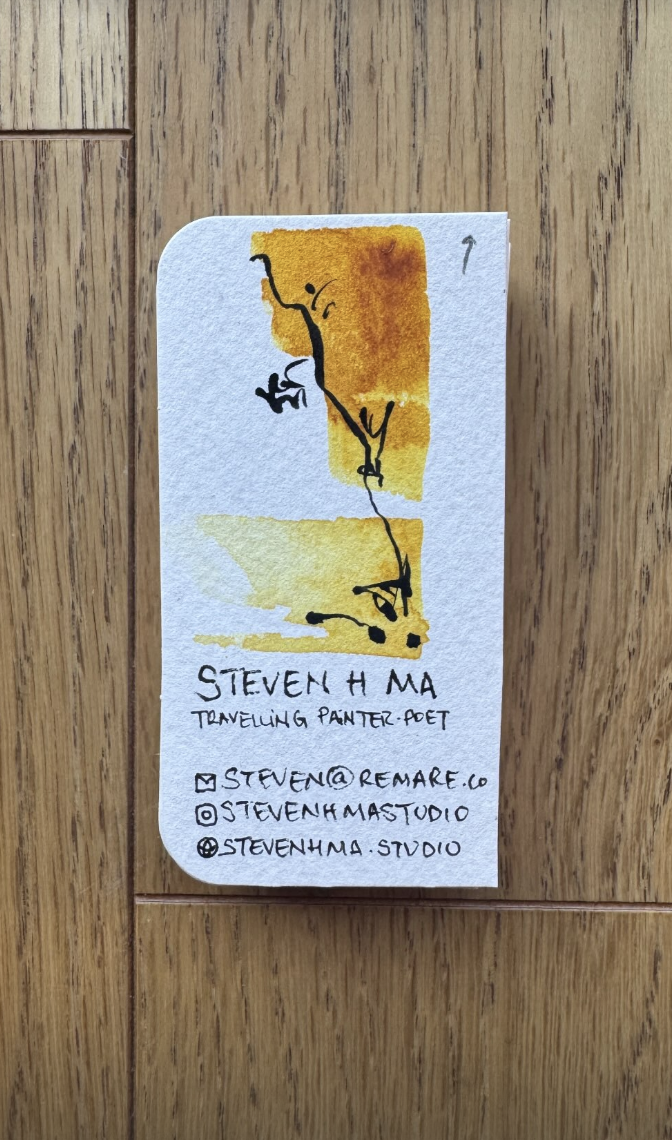
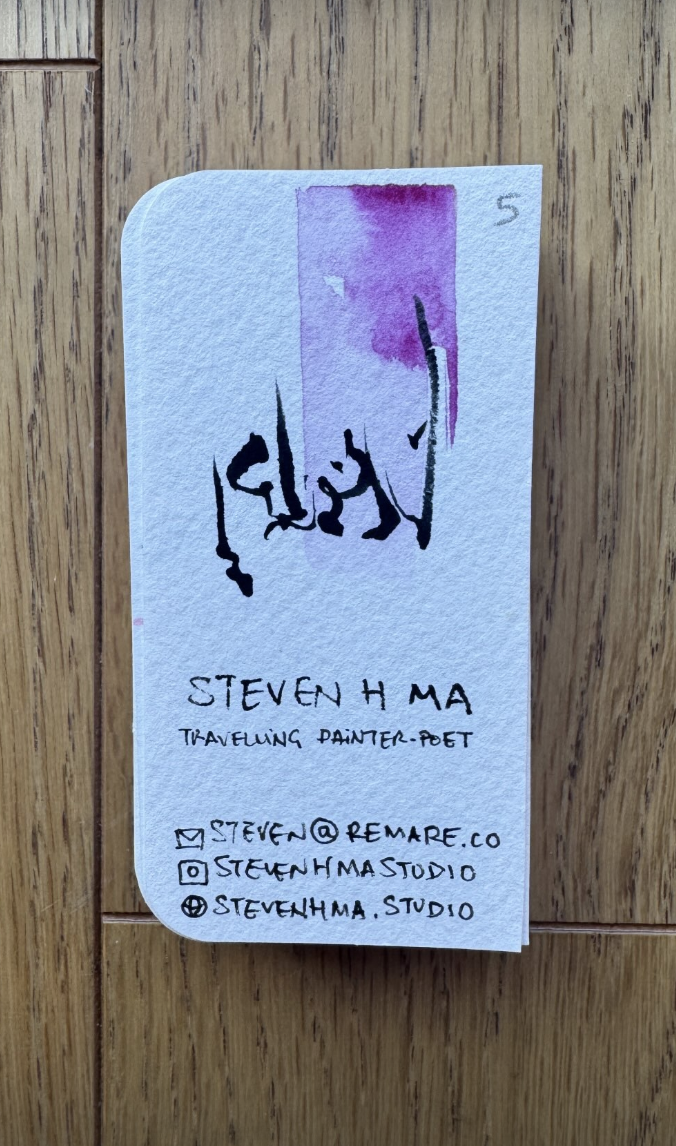
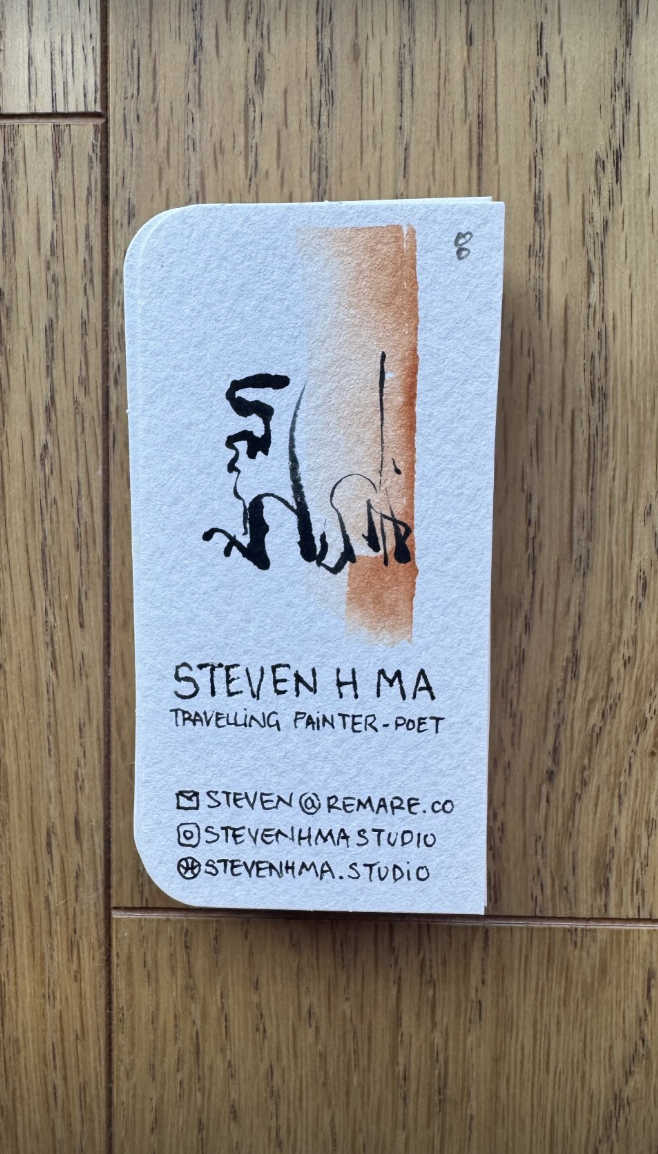
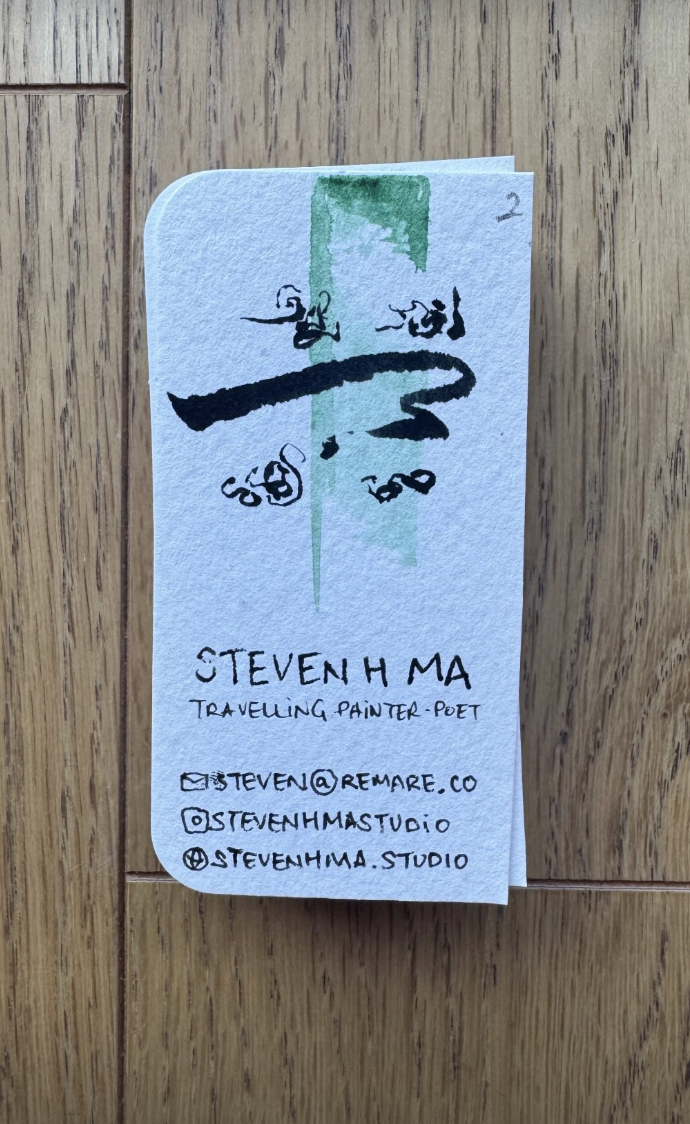
[EN] Calligraphic Trees explores the intersection of arboreal, landscape and calligraphic forms, reducing them to a limited vocabulary of colour and gesture while remaining ambiguous between tree, terrain and mark.
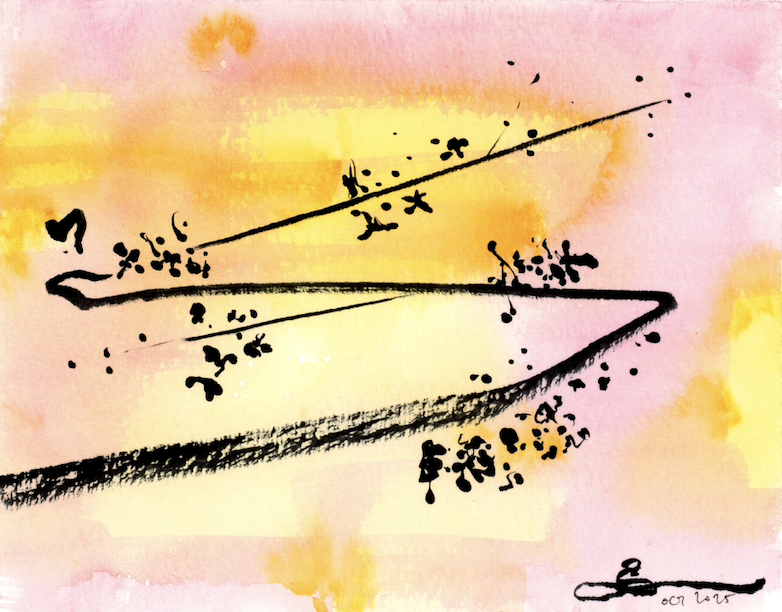
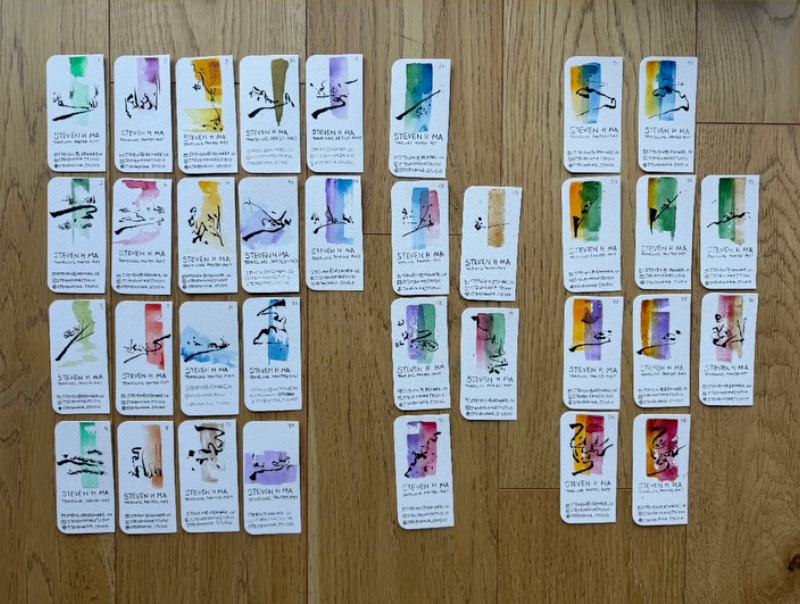
Continuing the artist’s interest in bridging cultures, time and place, the series responds to the Japanese practice of 名刺交換 (meishi kōkan), or business-card exchange, now largely absent from contemporary Australian professional life.
In place of mass-produced cards, each name card is an individual painting, handmade and exchanged only once. The works draw on 手作り (tezukuri), making by hand; おもてなし (omotenashi), attentive hospitality; and 一期一会 (ichigo ichie), the unrepeatable encounter. Accompanying photography documents the cards as they are given away, preserving traces of an otherwise ephemeral act of exchange.
[JP]『Calligraphic Trees』は、樹木、風景、そして「書」の形態が交差する領域を探求するシリーズである。限られた色彩と最小限の筆致へと形態を削ぎ落としながら、樹木や地形、そしてその痕跡のあいだに意図的な曖昧さを残している。
文化、時間、場所を架橋する「つなぐ」という作家の継続的な探求を背景に、本シリーズは日本の名刺交換という習慣に応答する。現代オーストラリアでは姿を消しつつあり、どこか郷愁とともに語られるこの習慣は、日本で今なお受け継がれることで、人と人との繋がりを大切にする美しくもどこか時代錯誤的な営みのひとつとして映る。
大量生産された名刺に代えて、一枚一枚を独立した絵画として制作し、一度きりの交換の中で手渡す。そうすることで、手仕事、おもてなし、一期一会といった日本の精神性を作品の形式そのものに織り込んでいる。併せて制作される写真作品は、これらの絵画が手渡される一回性の行為を記録し、その瞬間の痕跡を留めるものである。
[FR] Calligraphic Trees explore l’intersection entre les formes arborées, paysagères et calligraphiques, les réduisant à un vocabulaire limité de couleurs et de gestes, tout en maintenant une ambiguïté entre arbre, terrain et signe.
Dans le prolongement de l’intérêt de l’artiste pour les passerelles entre les cultures, les époques et les lieux, la série répond à la pratique japonaise du 名刺交換 (meishi kōkan), l’échange de cartes de visite, aujourd’hui largement disparu de la vie professionnelle australienne contemporaine.
À la place de cartes produites en série, chaque carte est une peinture unique, réalisée à la main et échangée une seule fois. Les œuvres s’inspirent du 手作り (tezukuri), la fabrication à la main ; de l’おもてなし (omotenashi), l’hospitalité attentive ; et de l’一期一会 (ichigo ichie), la rencontre qui ne se reproduira jamais. Une série de photographies documente les cartes au moment où elles sont offertes, préservant ainsi les traces d’un acte d’échange autrement éphémère.
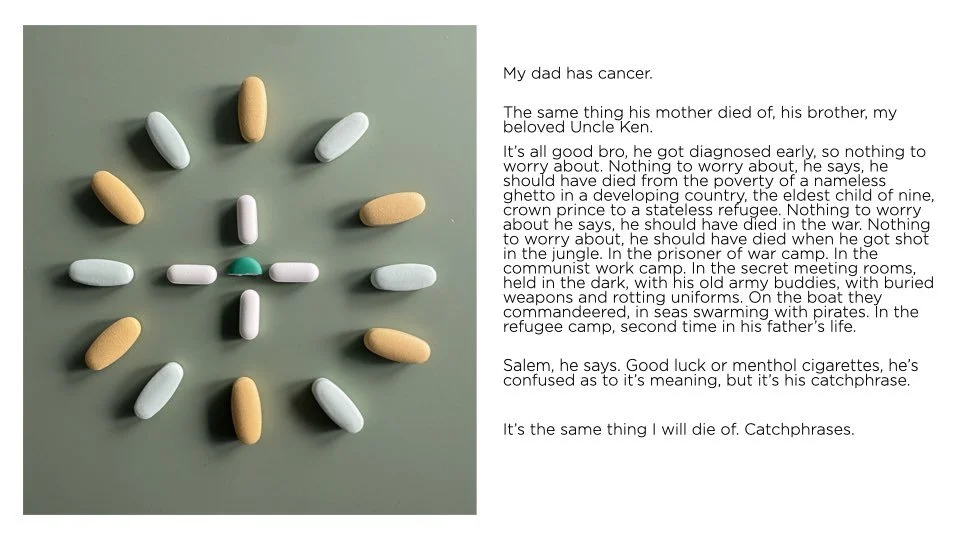
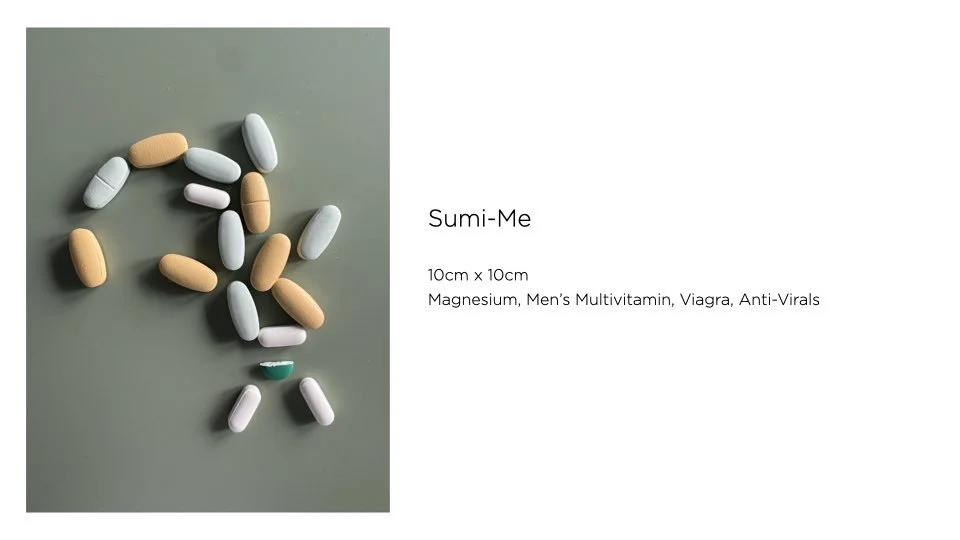
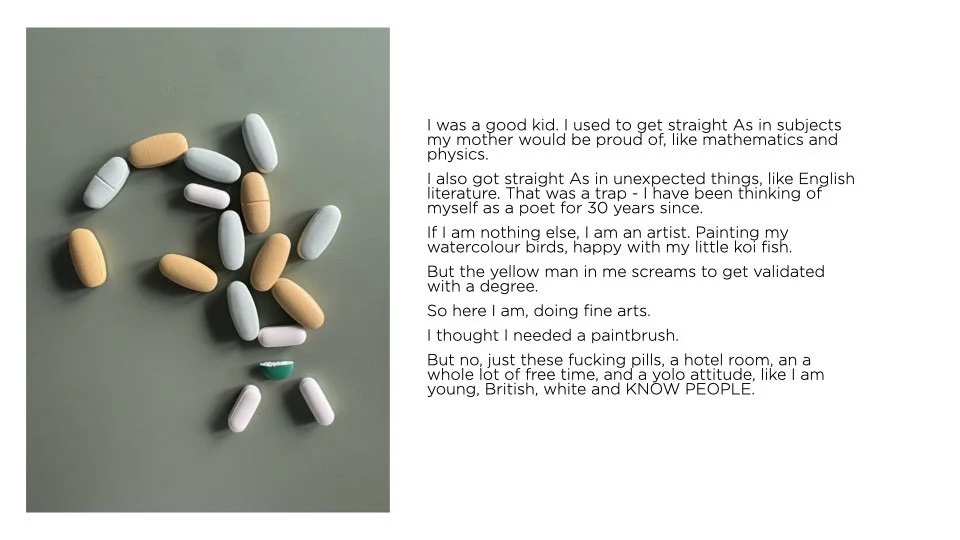
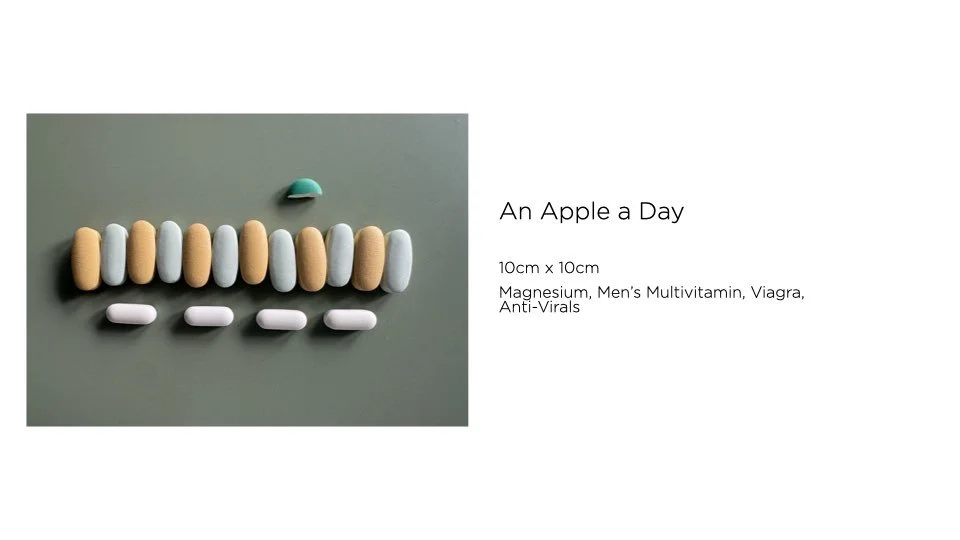
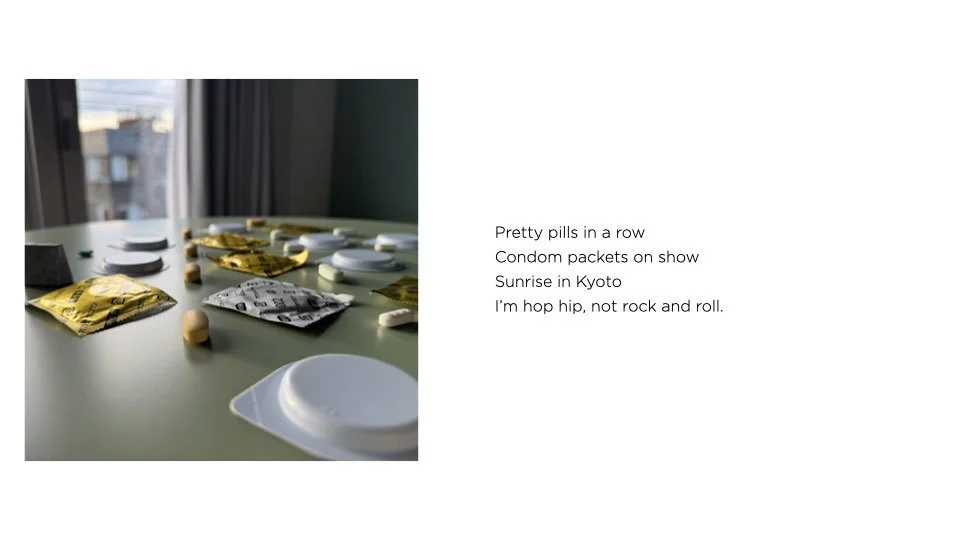
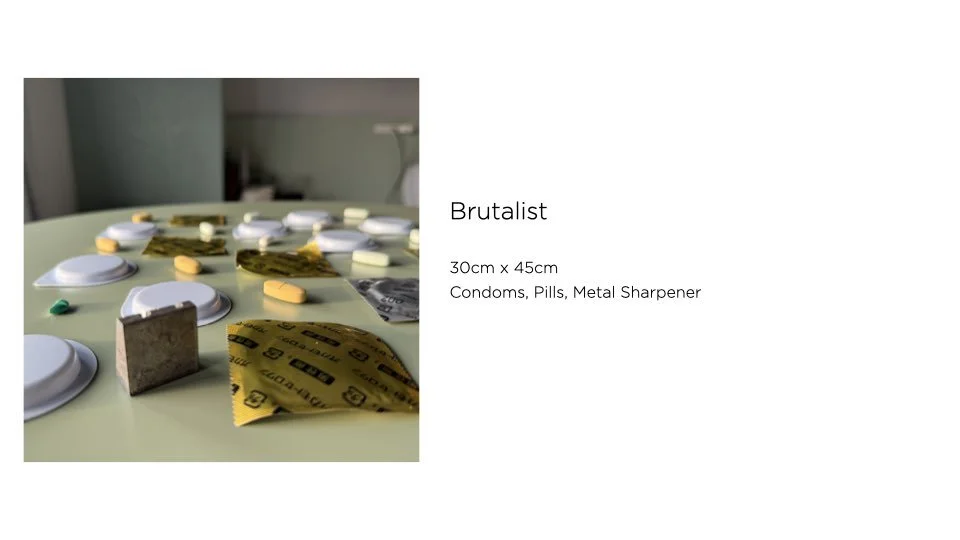
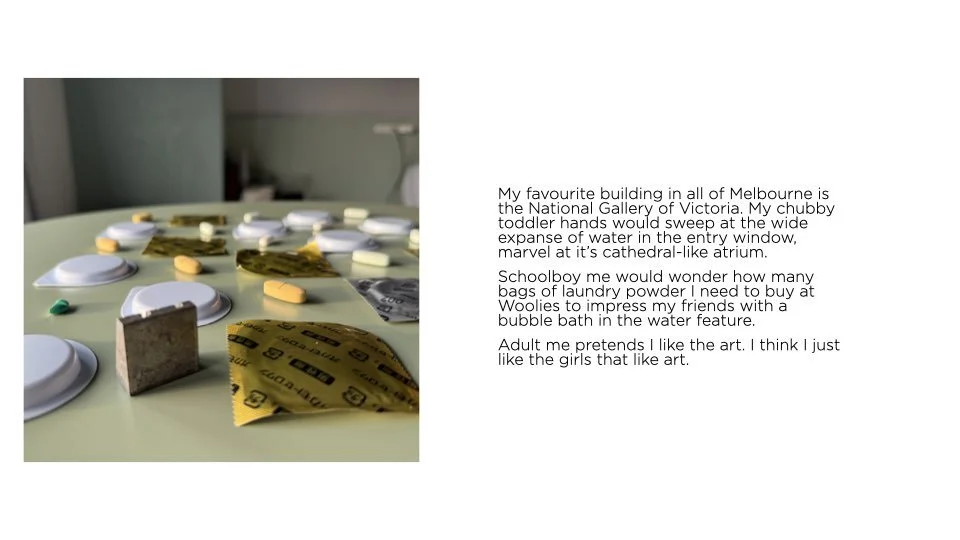
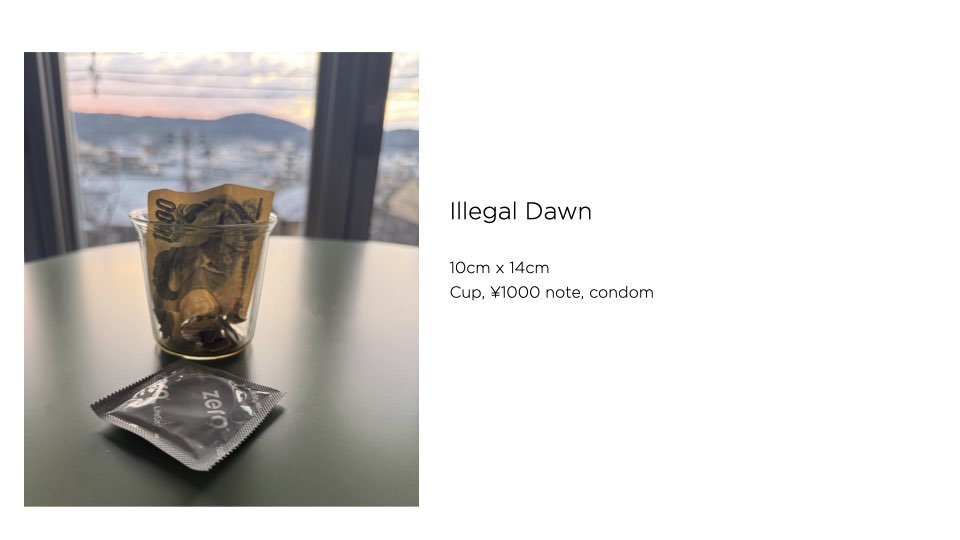
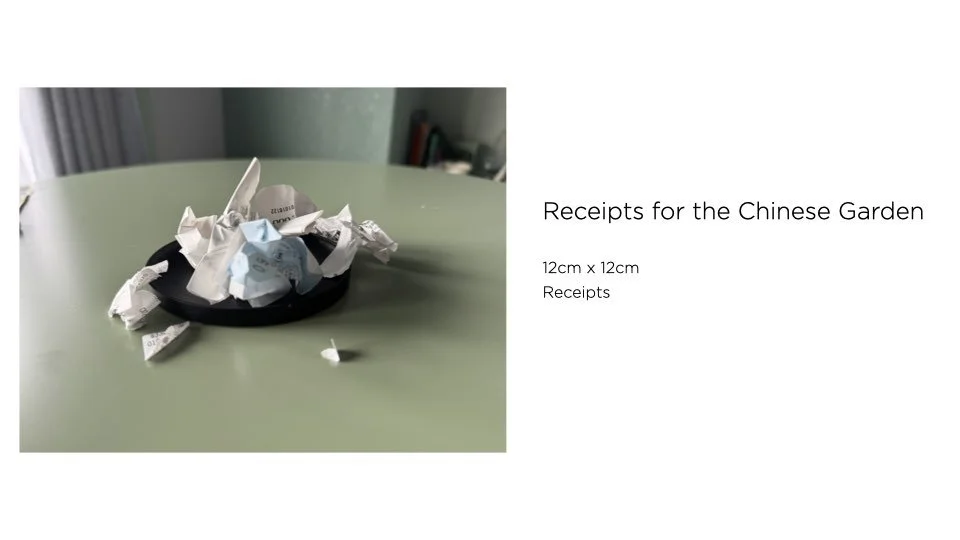
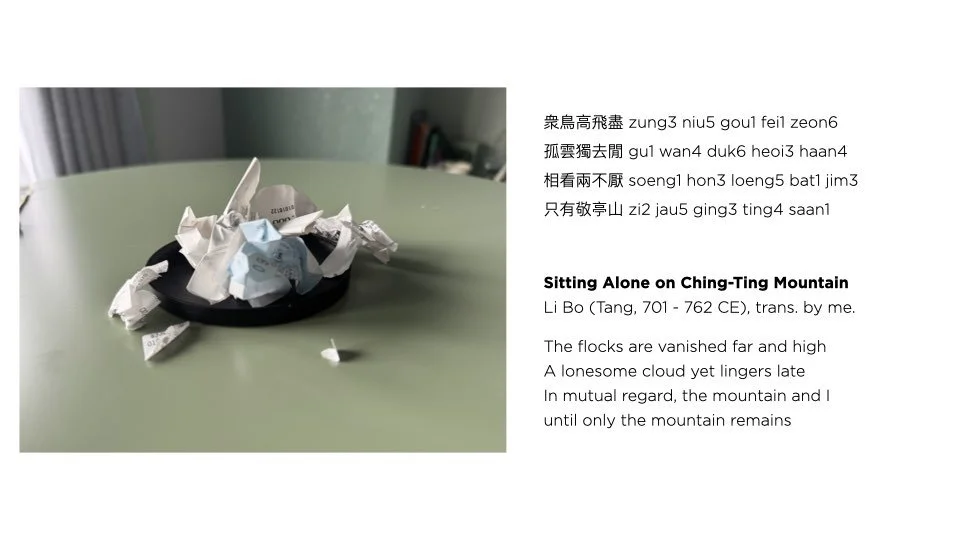
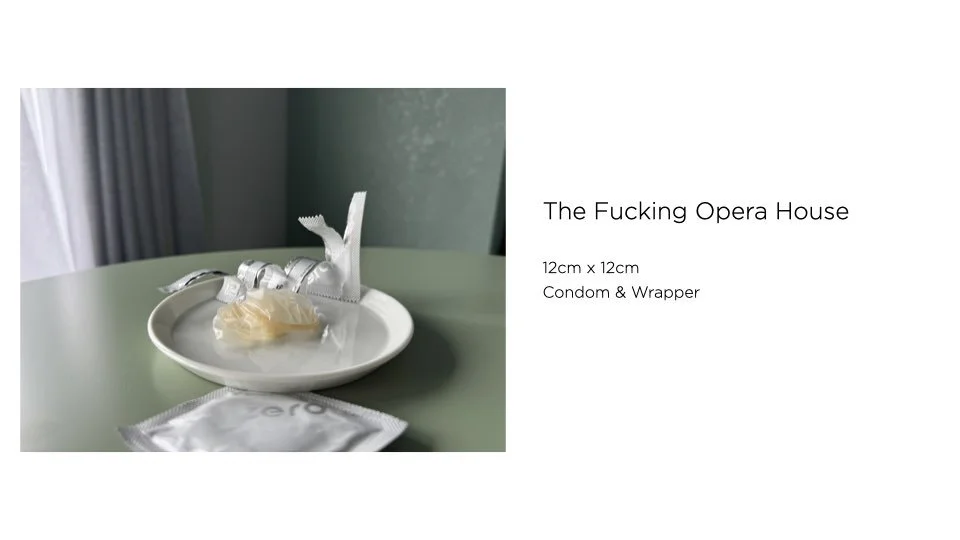
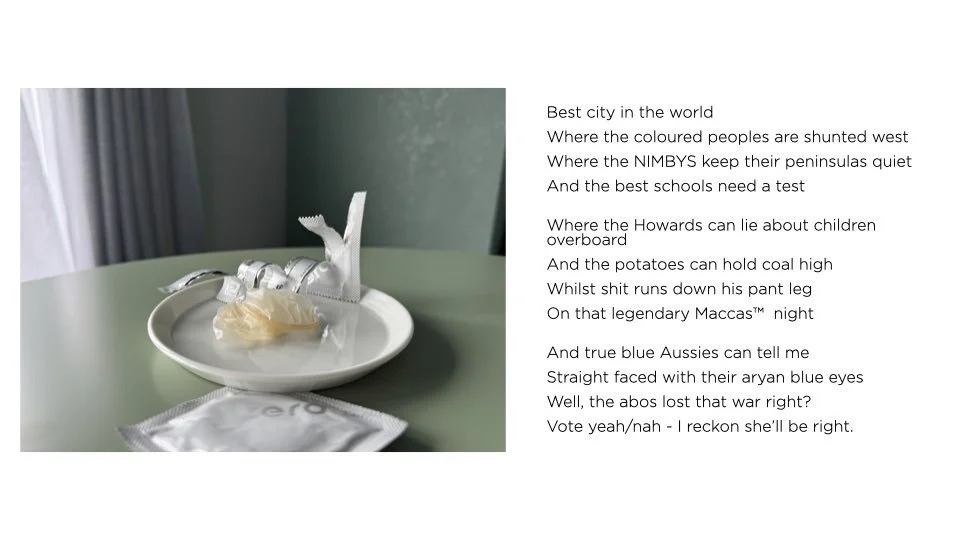
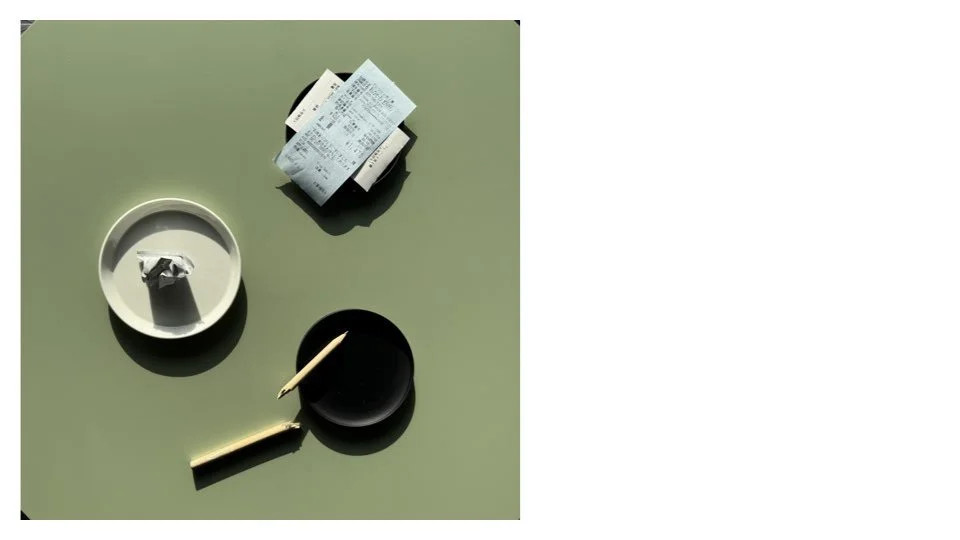
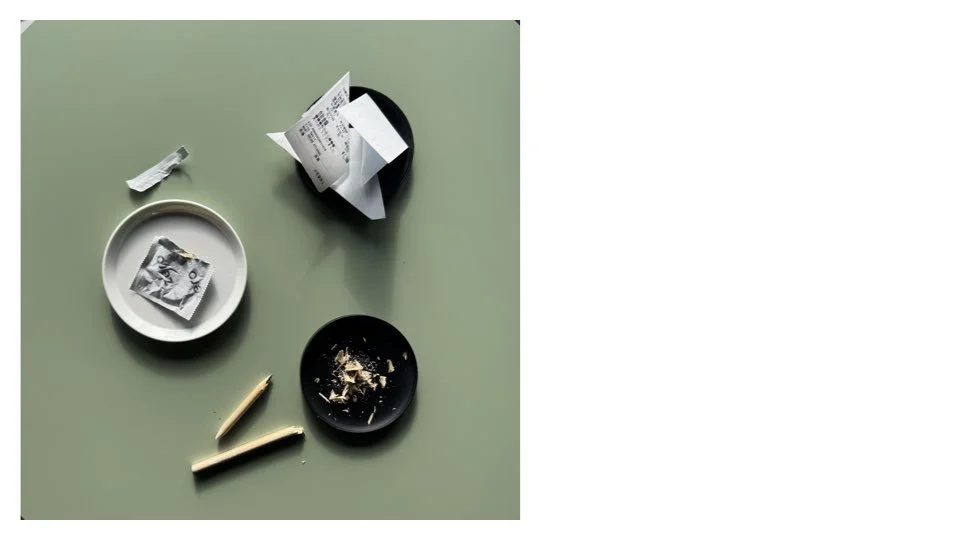
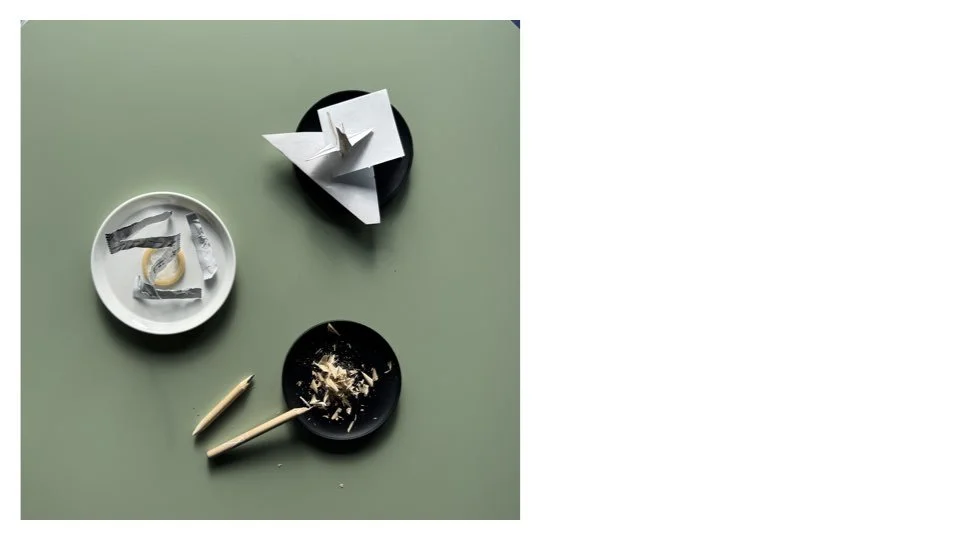
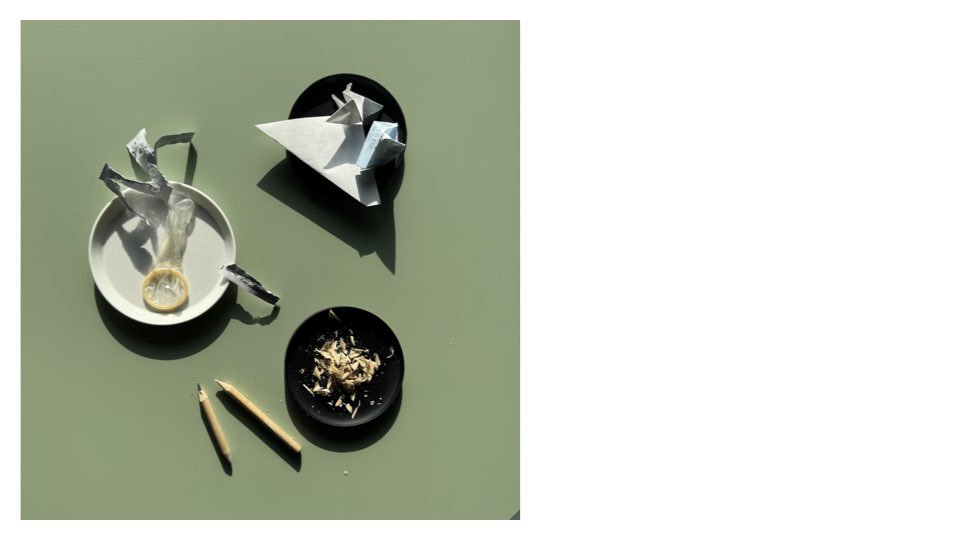
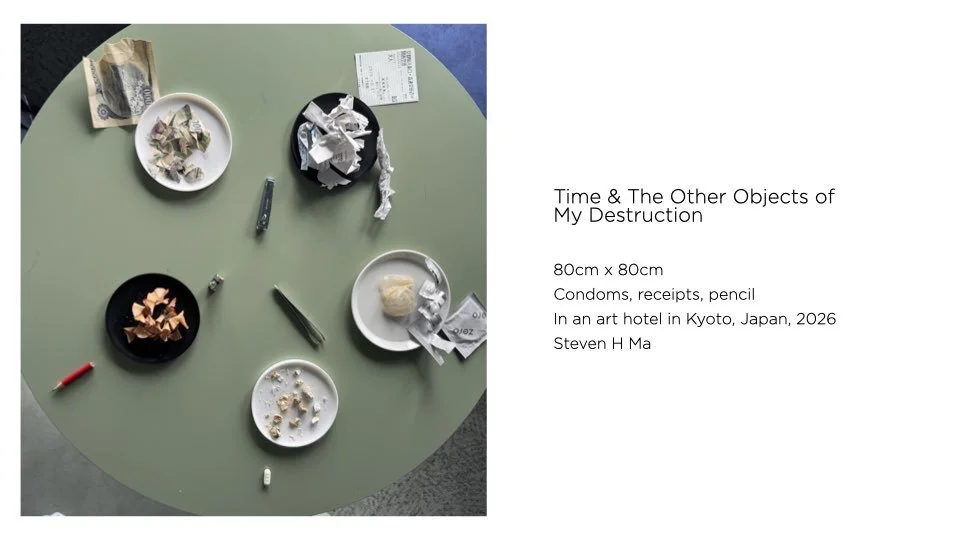
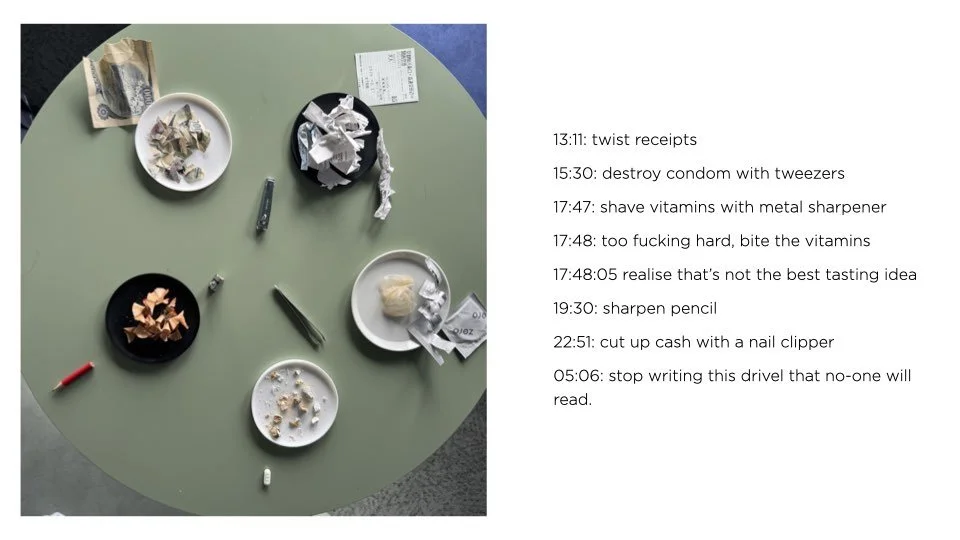
Time & The Objects of My Destruction
(2026)
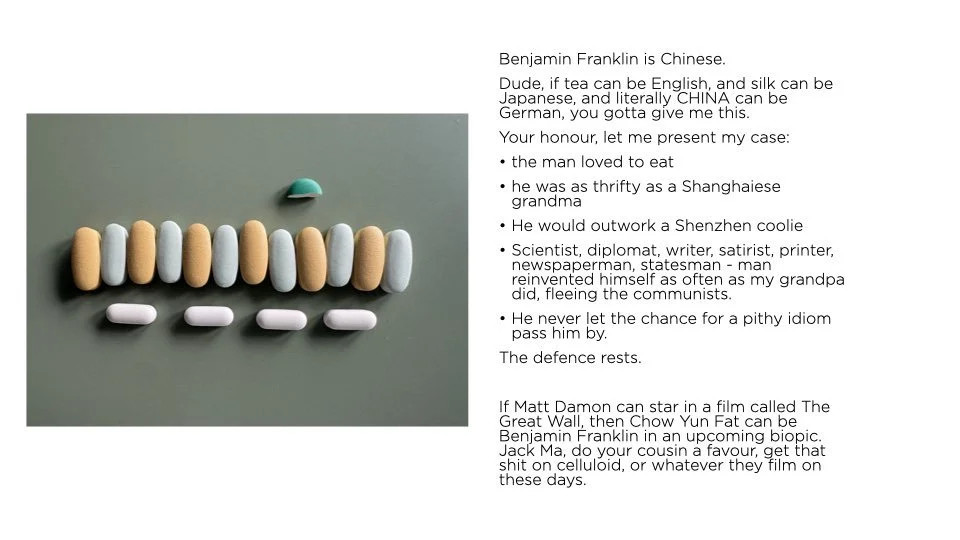
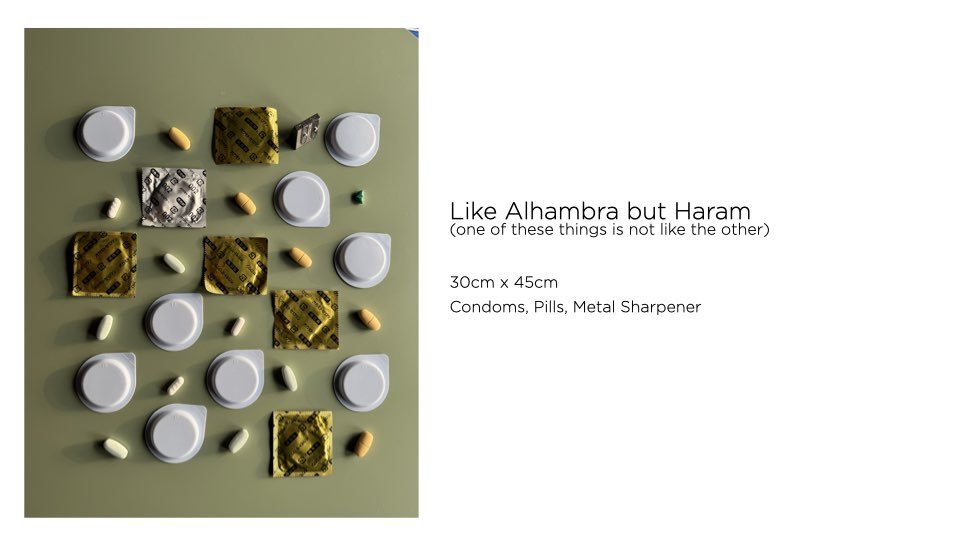
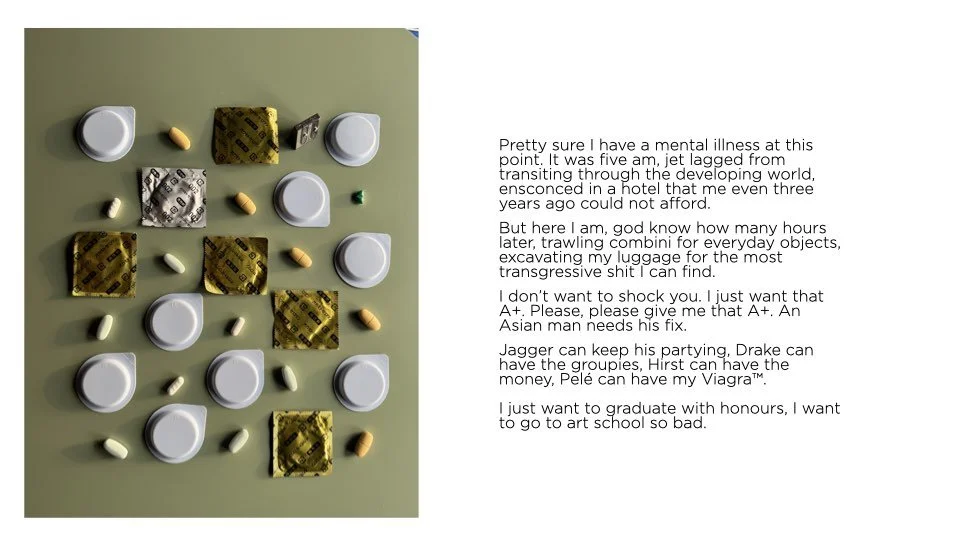
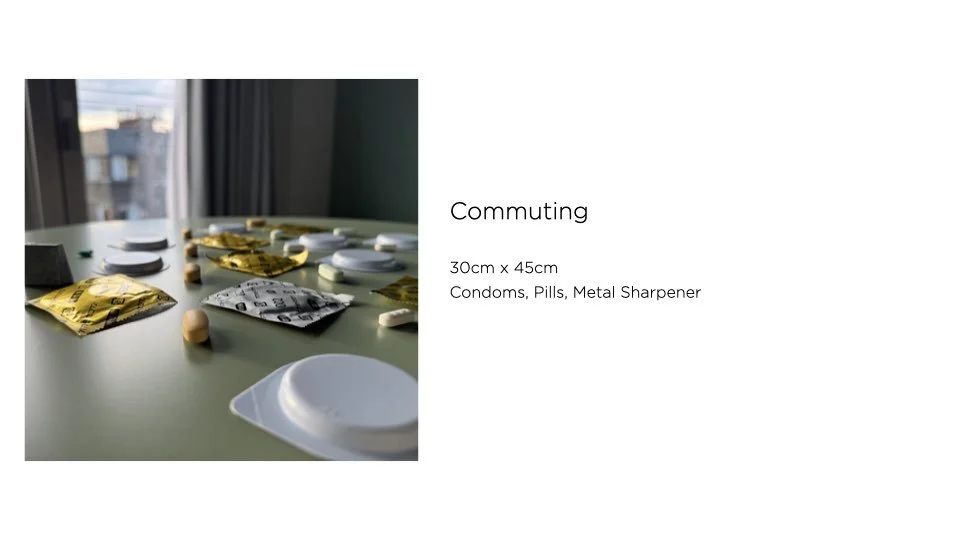
Zine
A4, 82 pages.
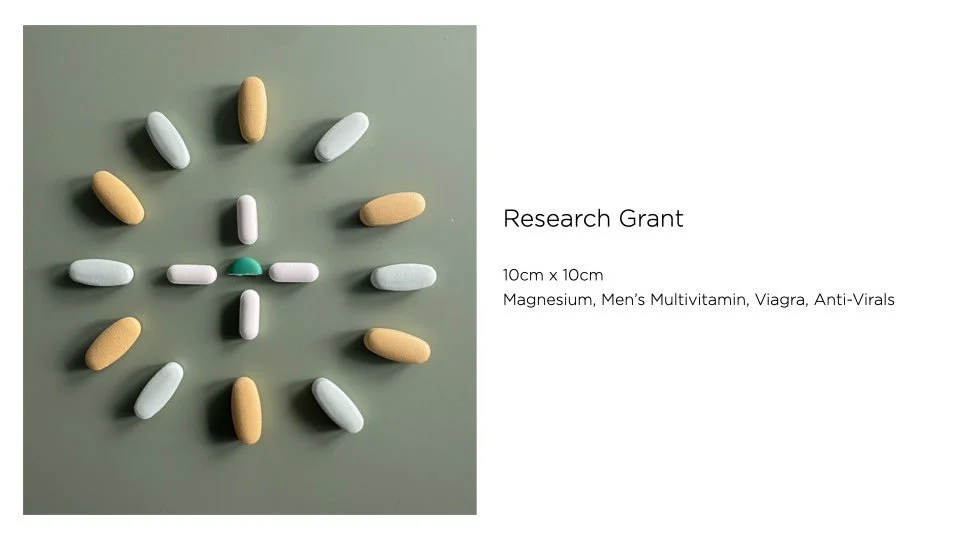
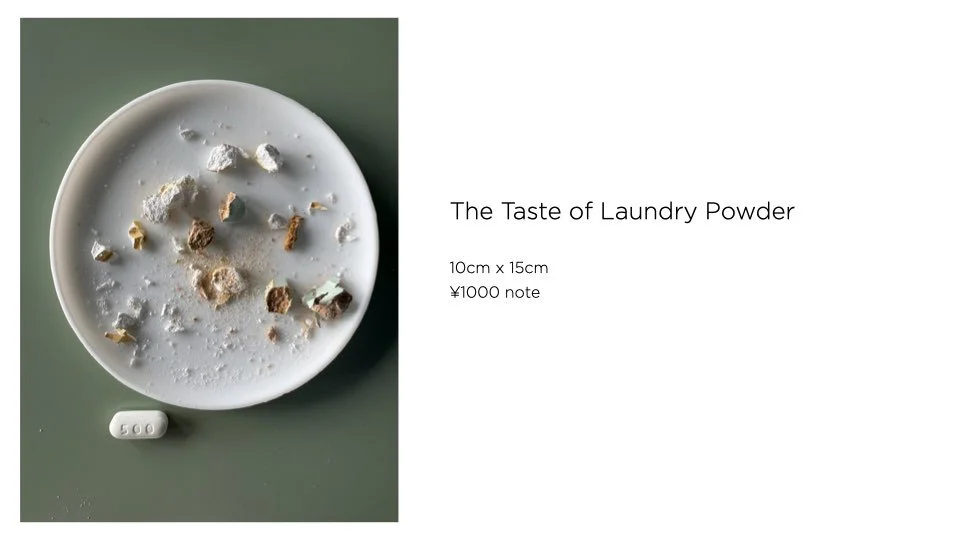
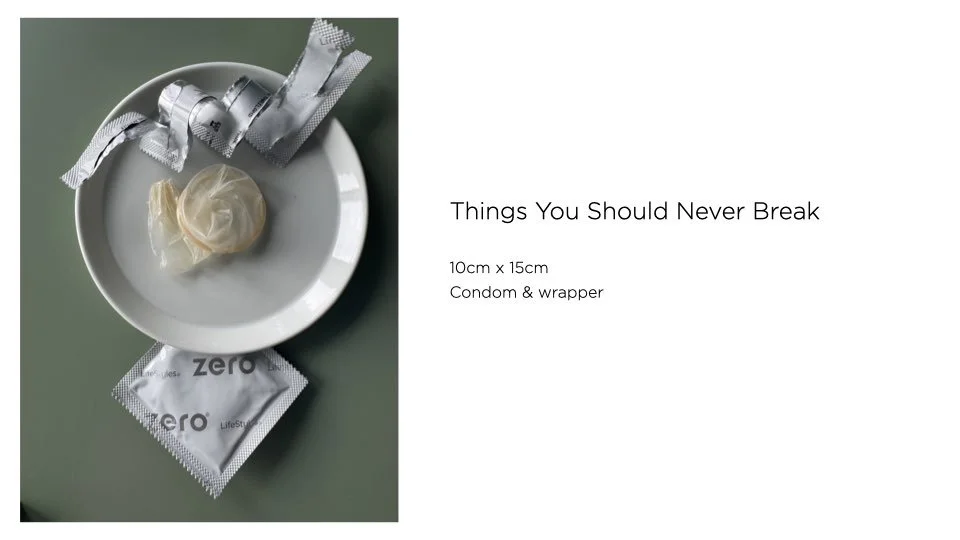
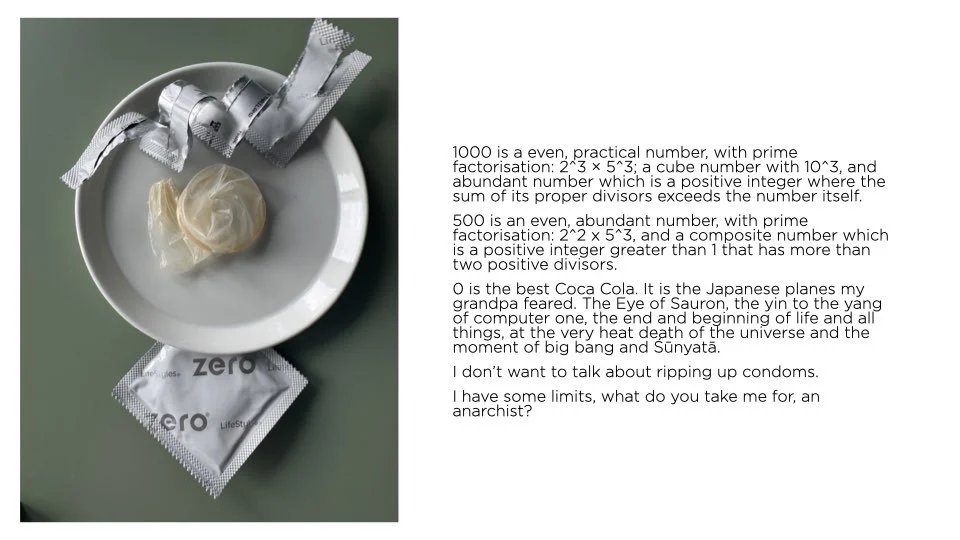
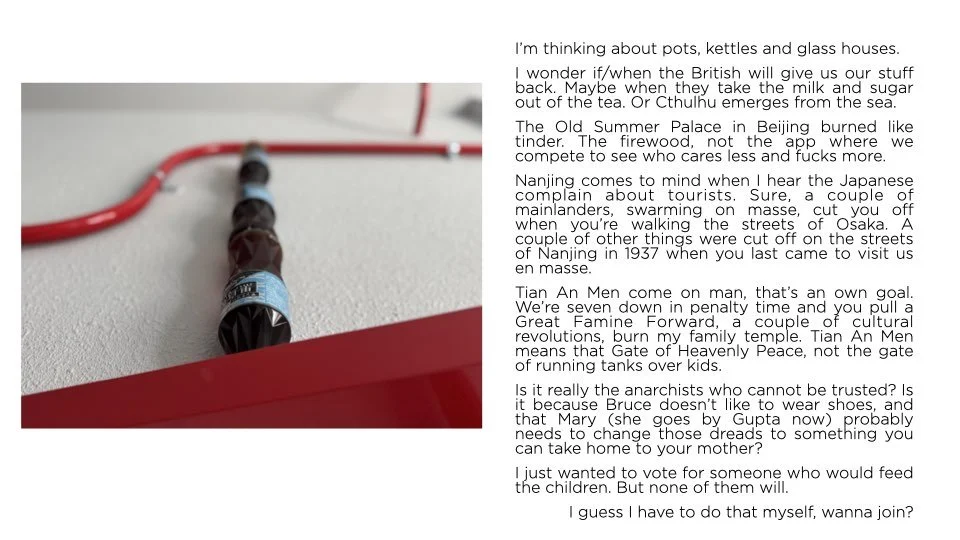
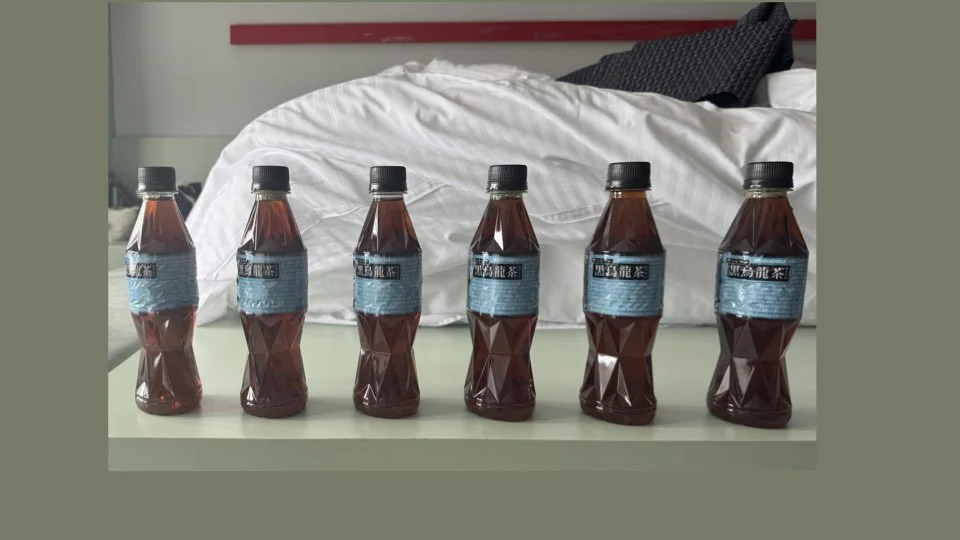
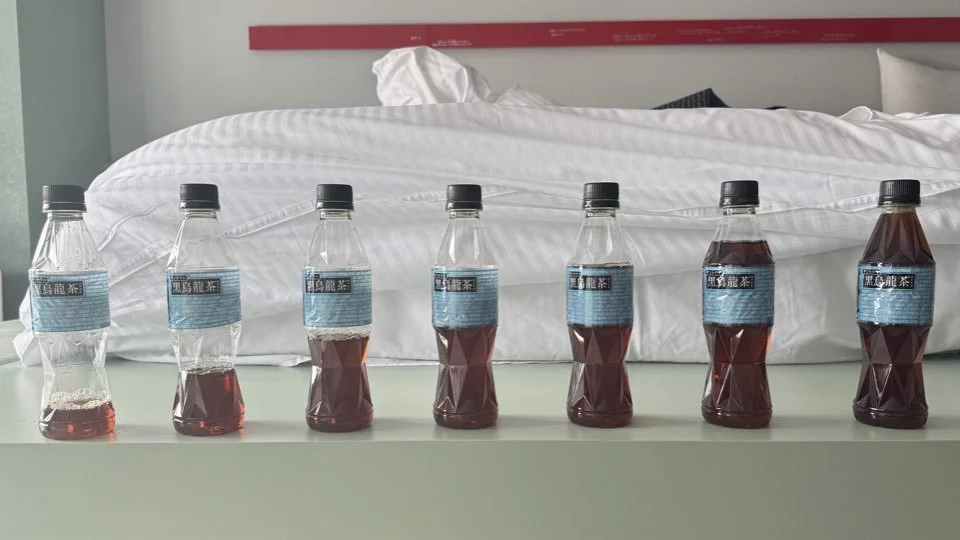
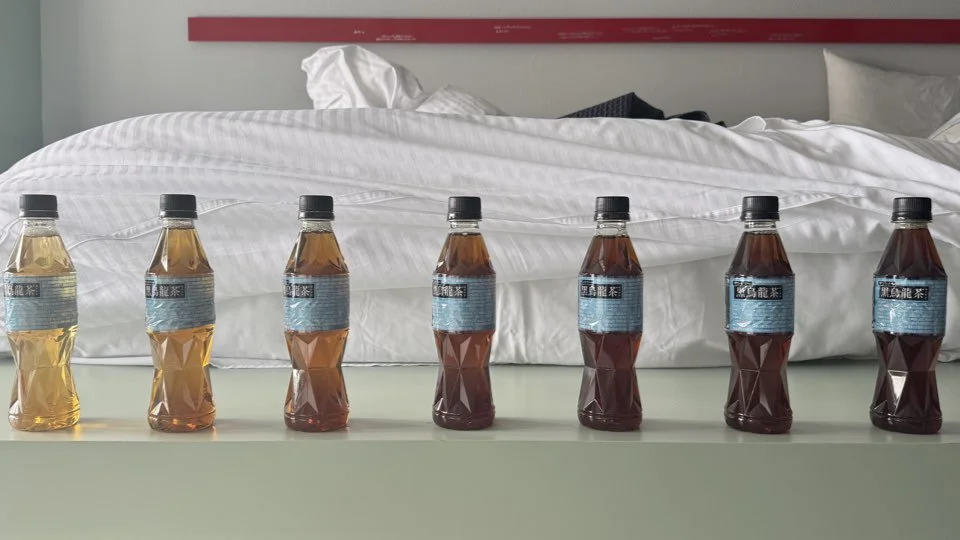
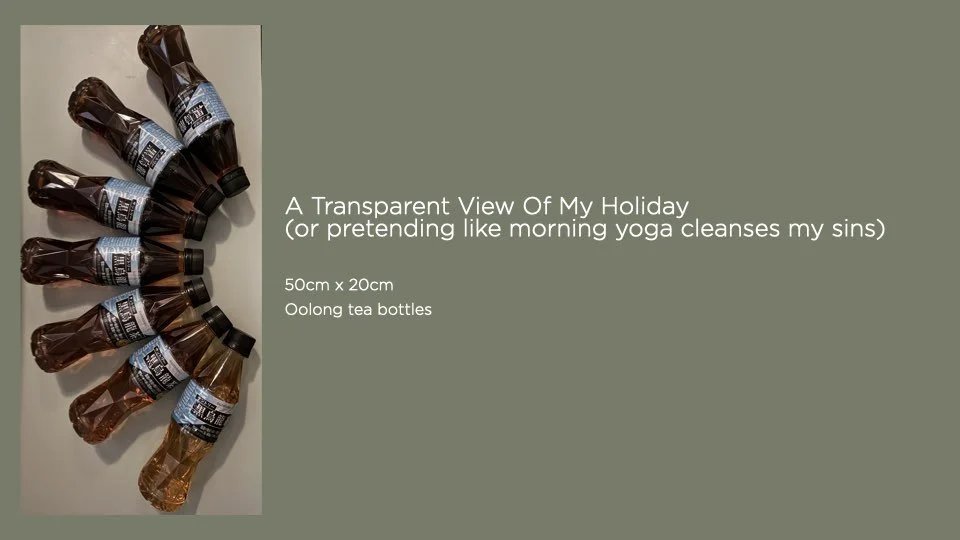
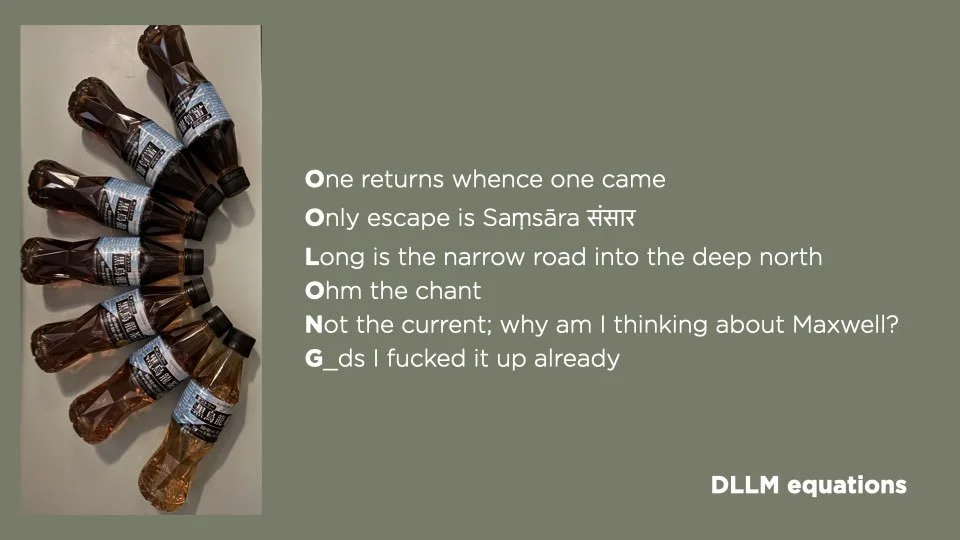
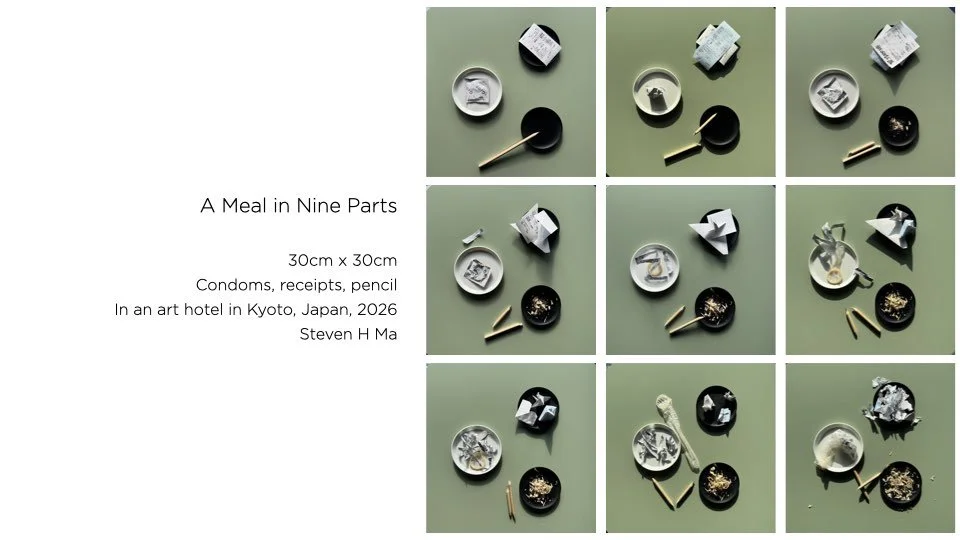
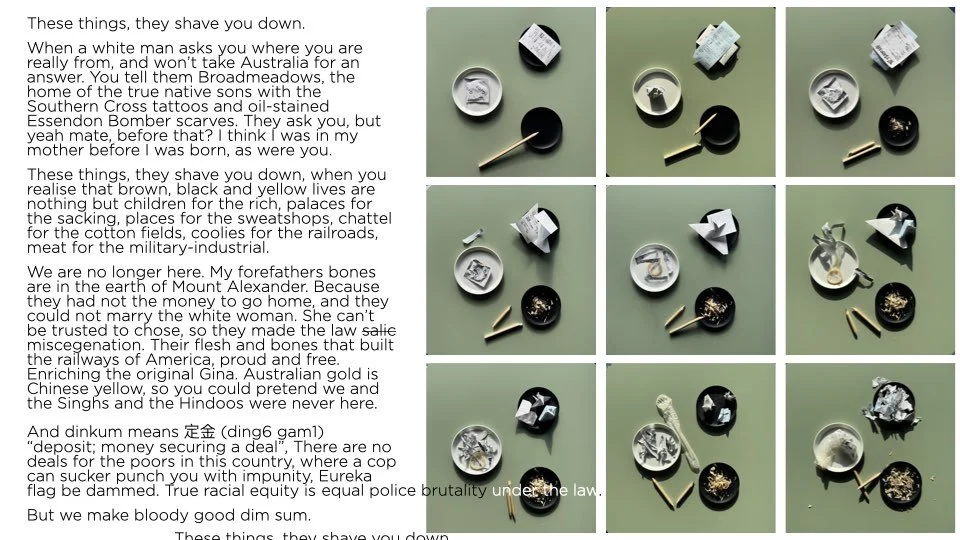
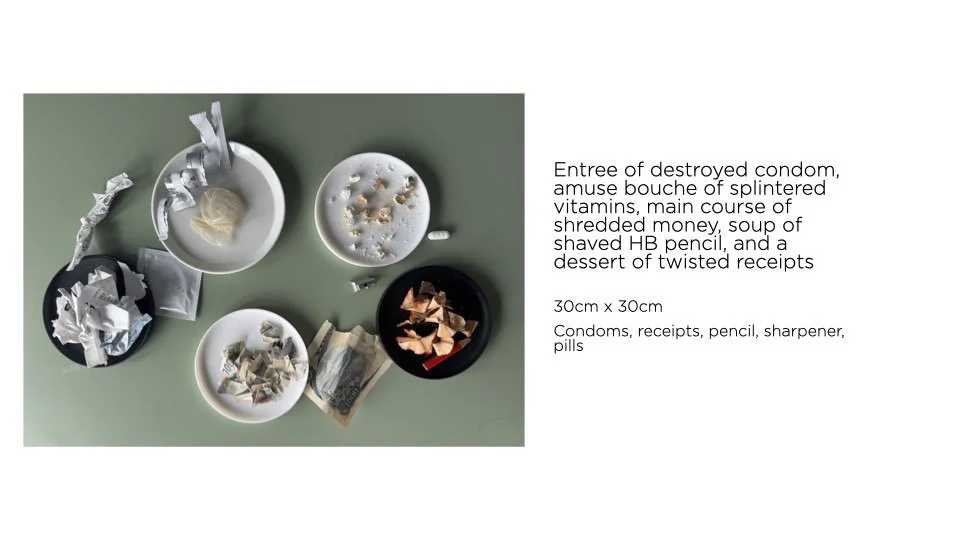
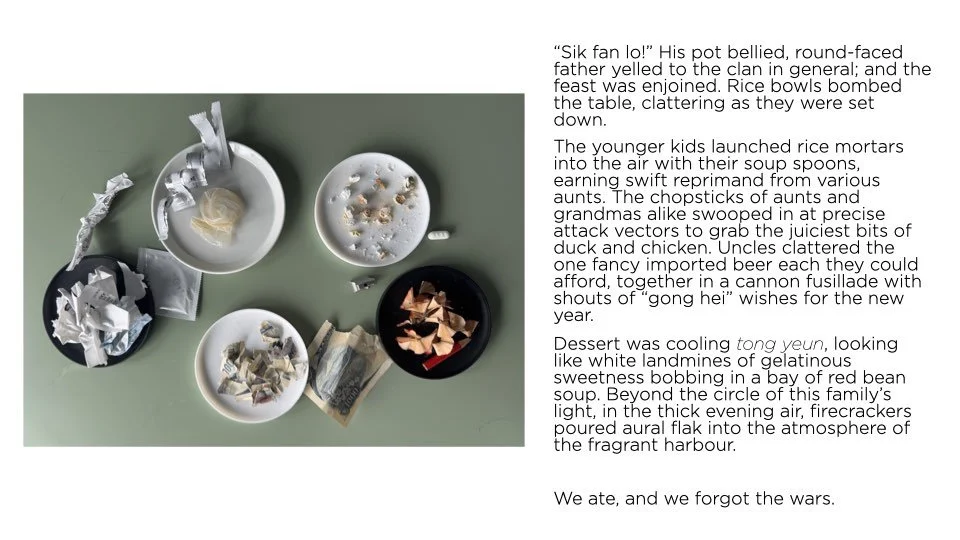
Found objects, photography and poetry.
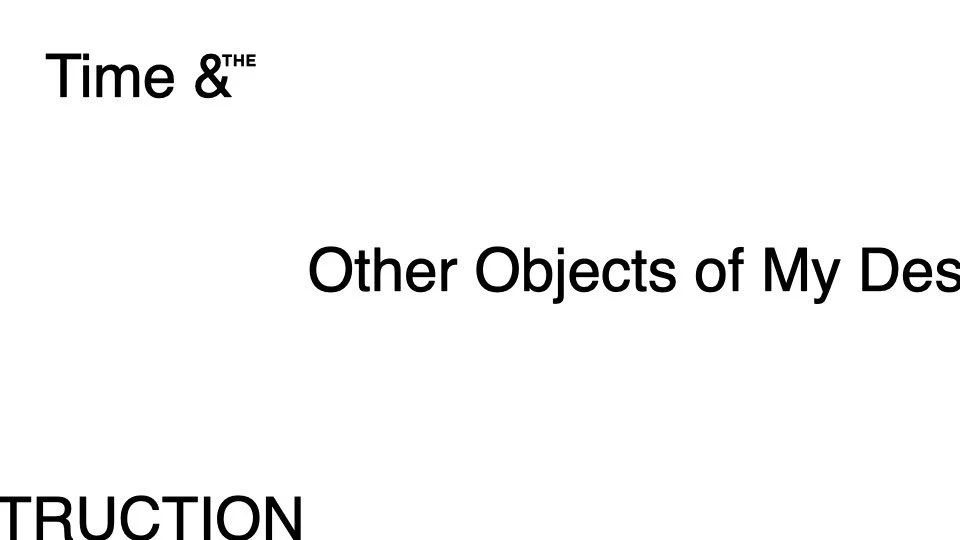
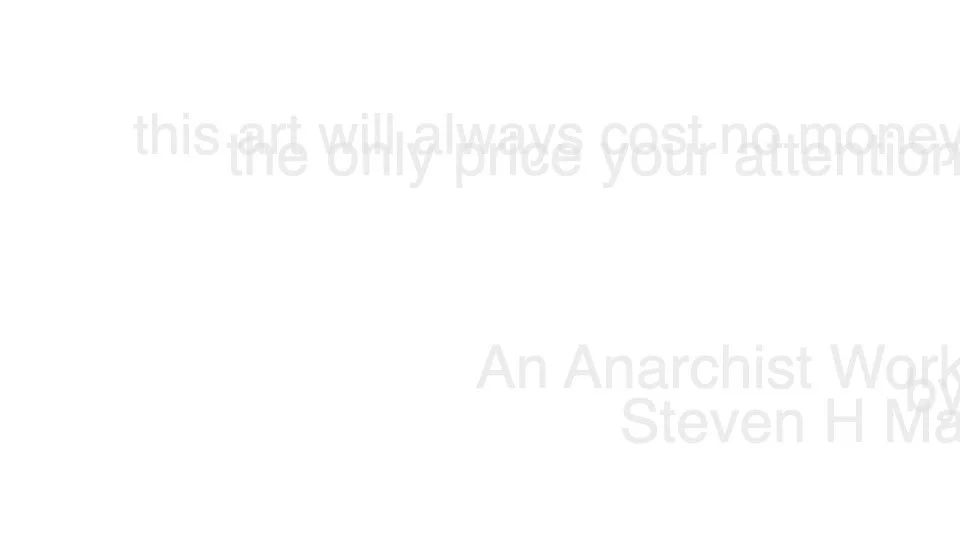
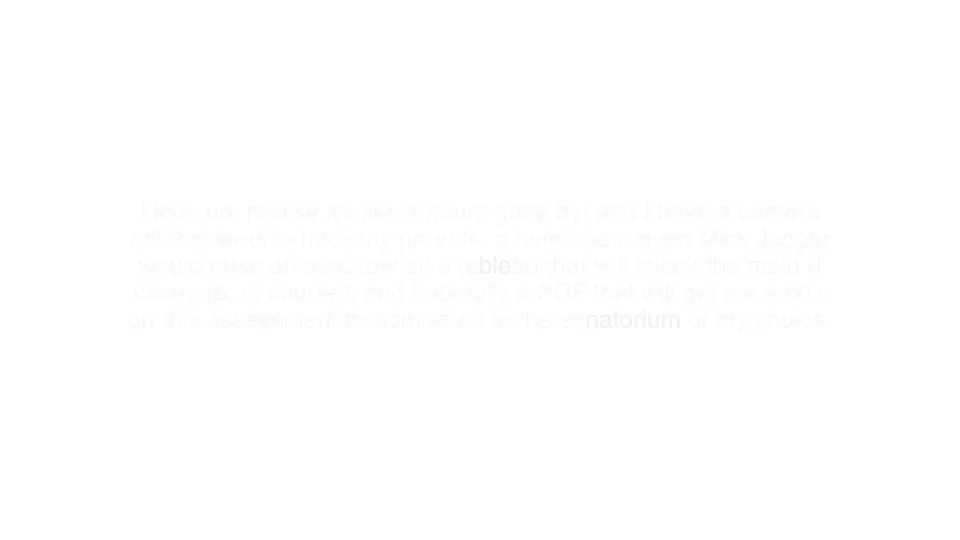
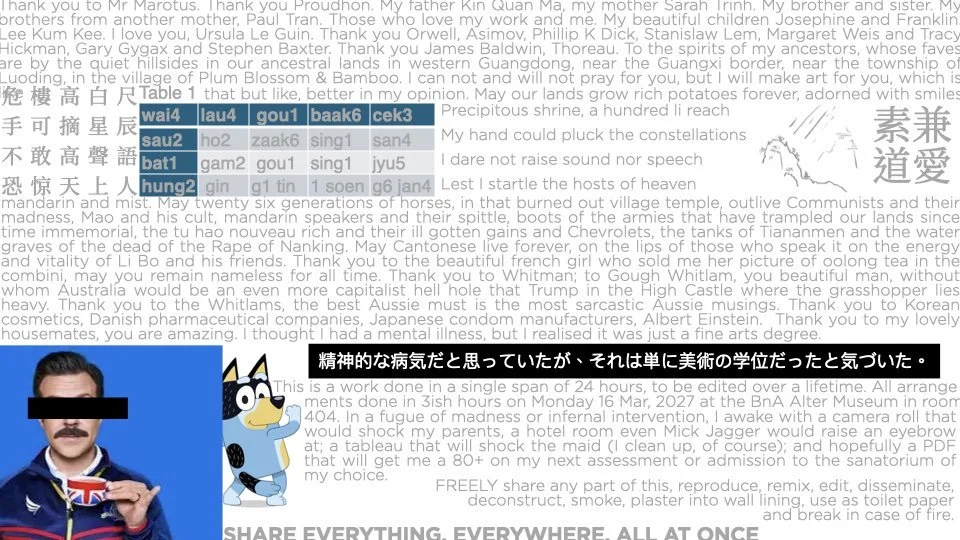
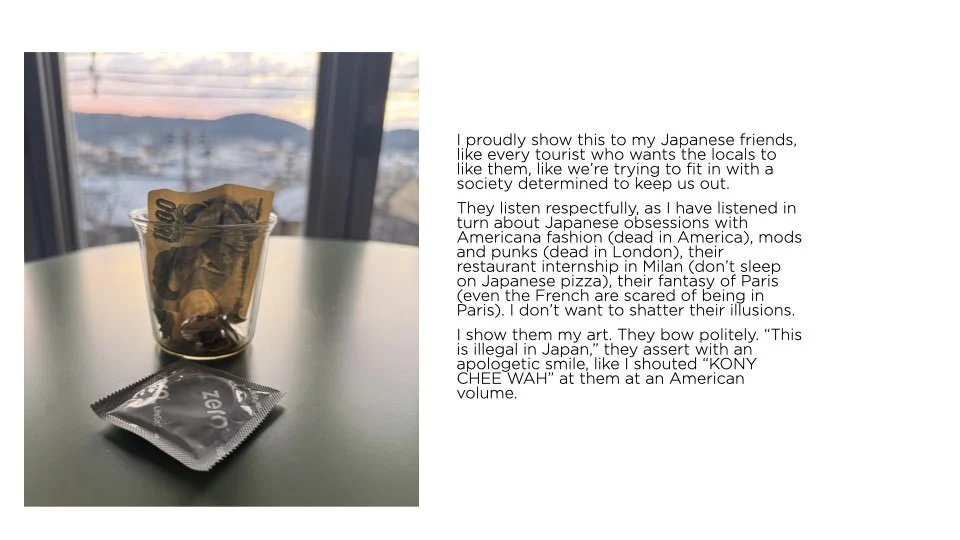
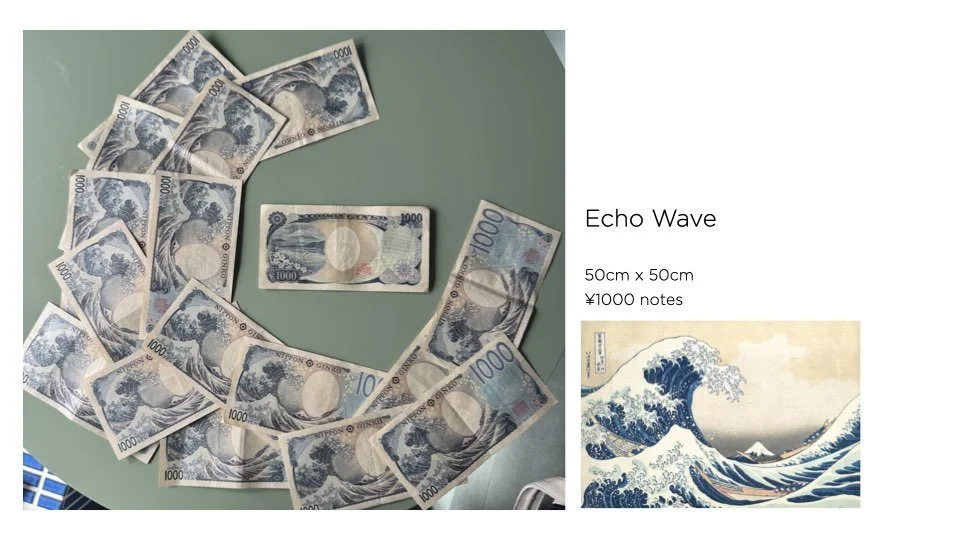
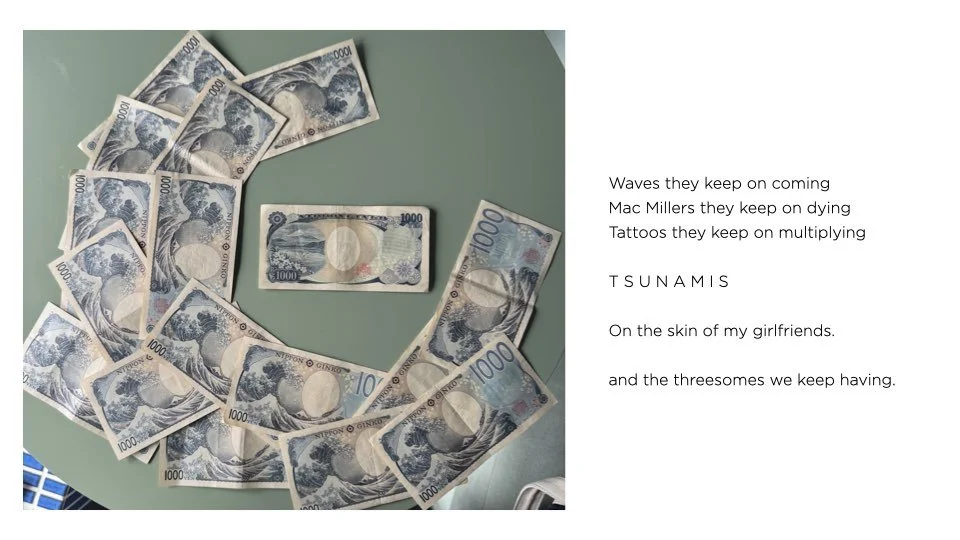
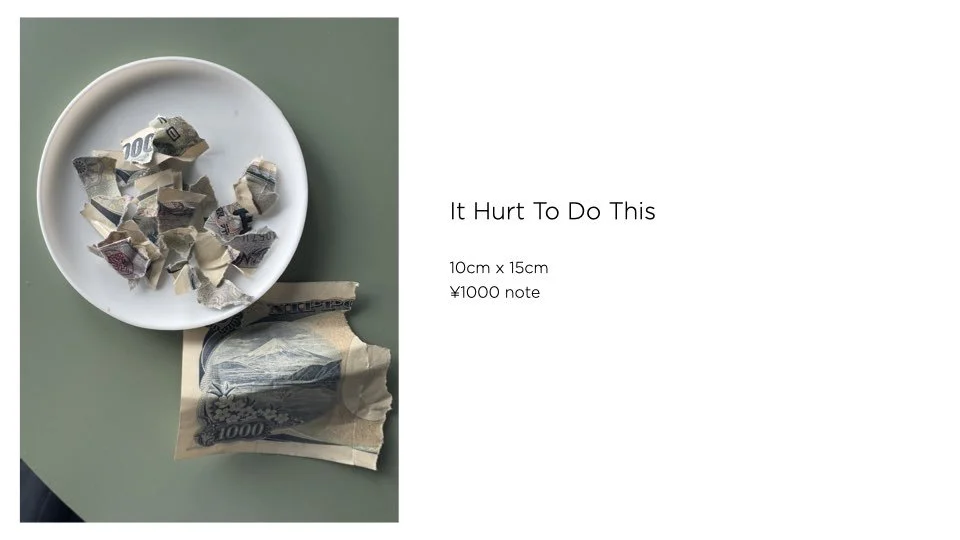
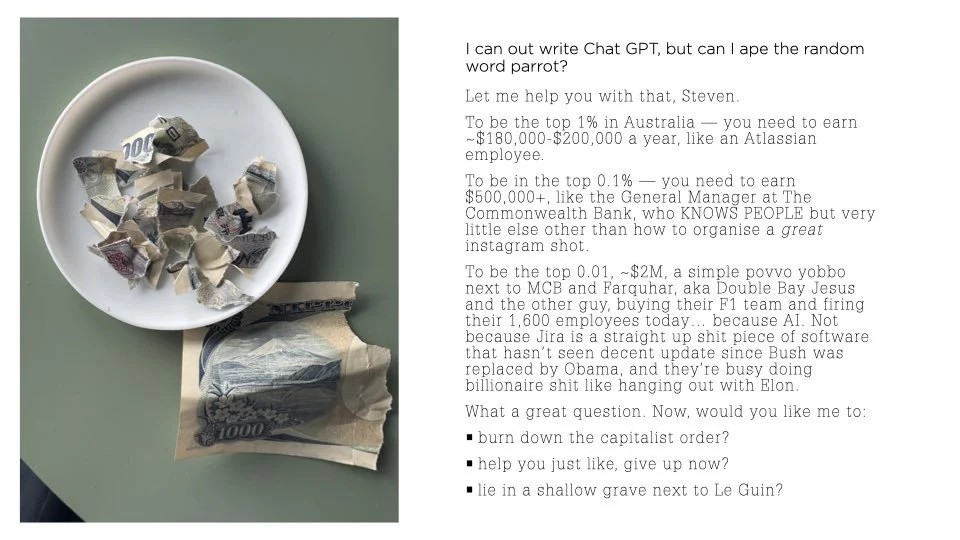
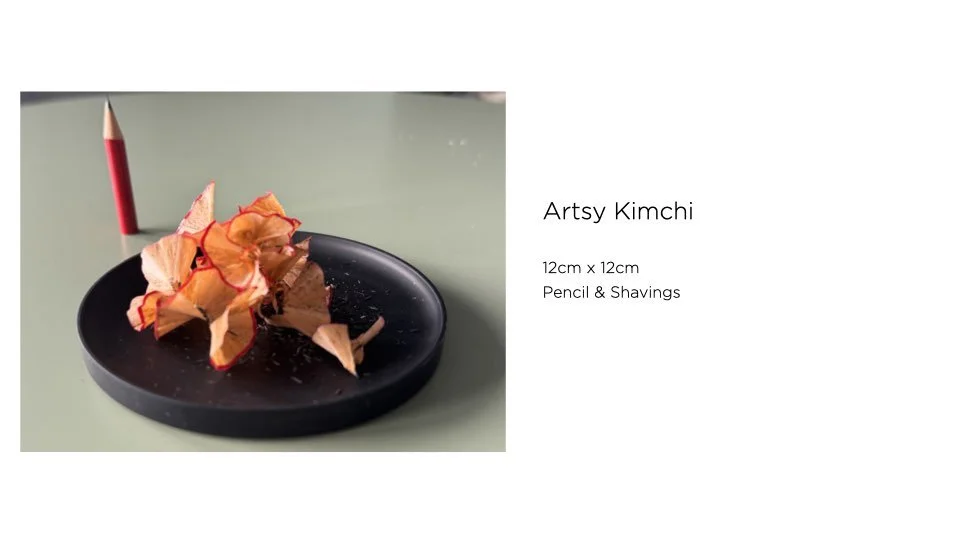
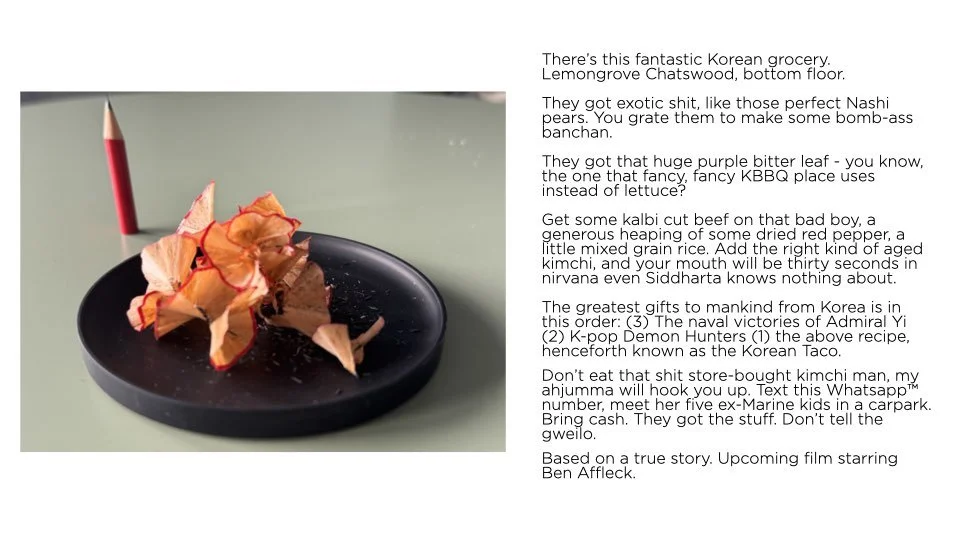
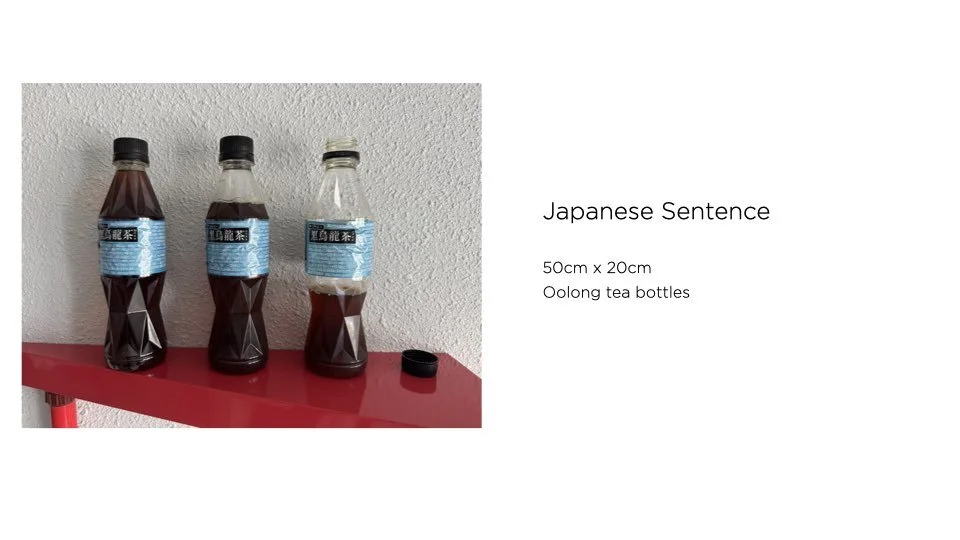
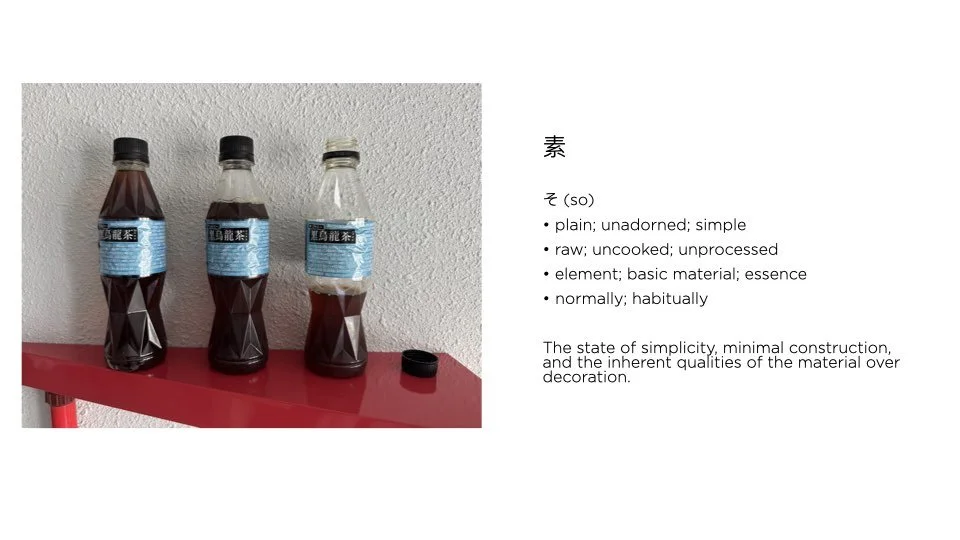
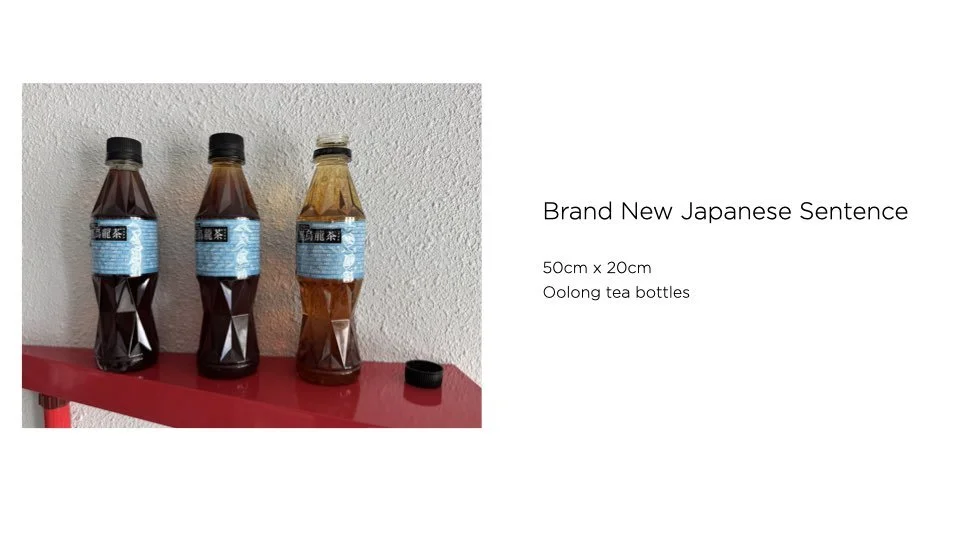
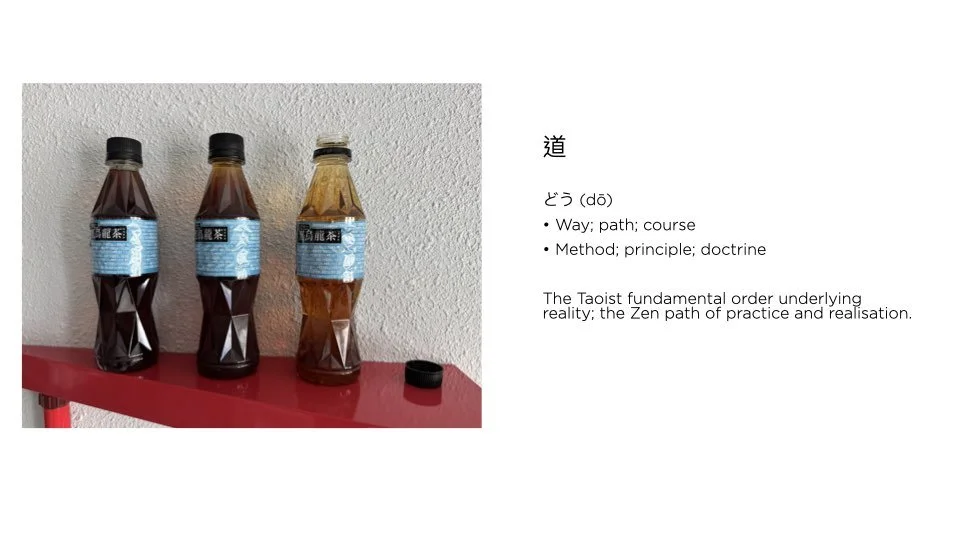
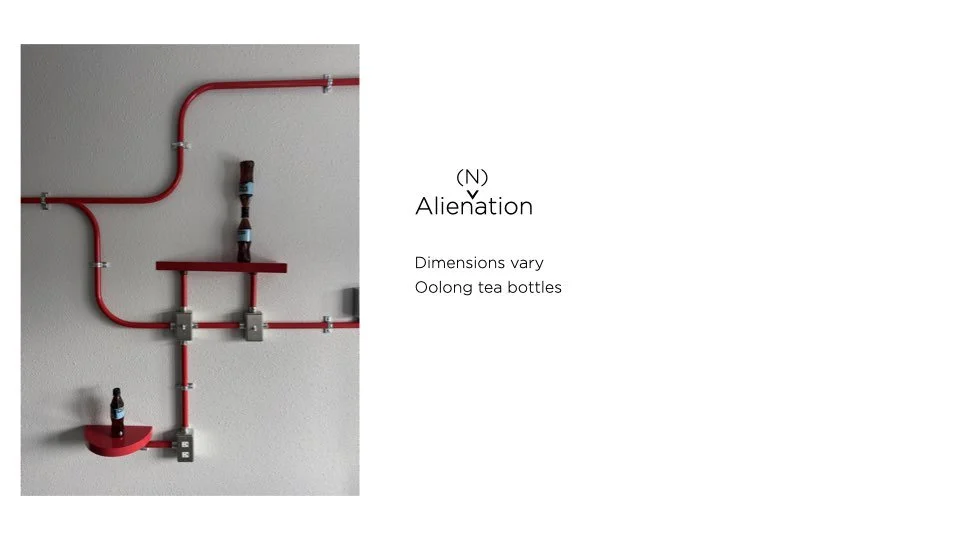
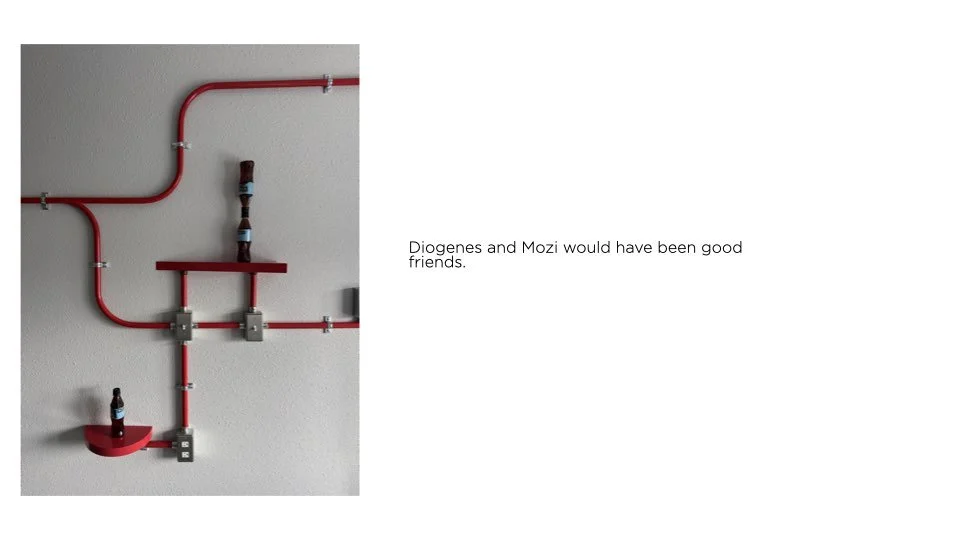
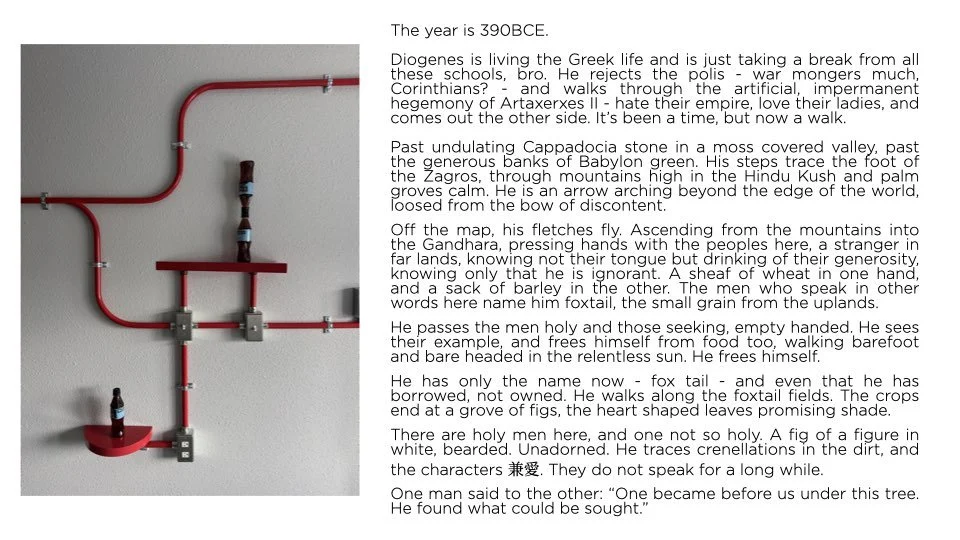
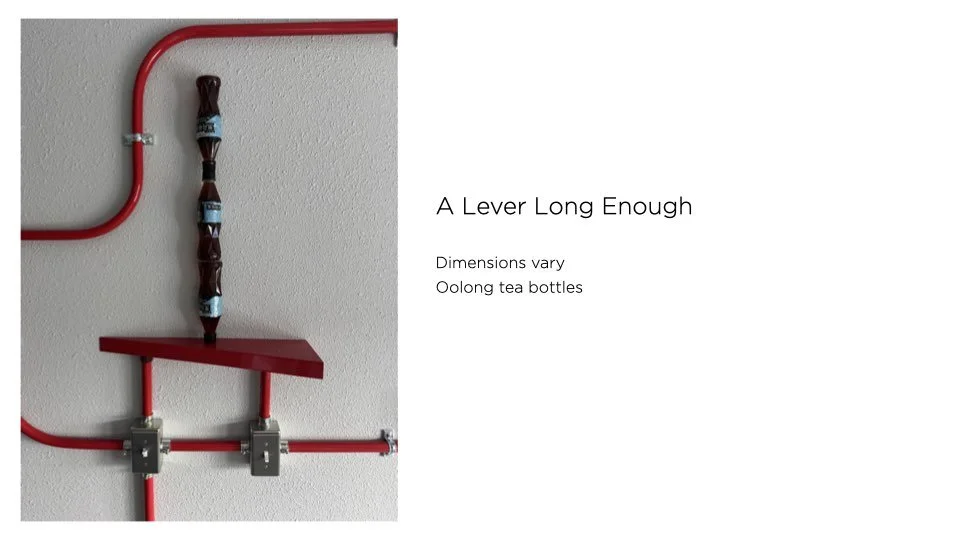
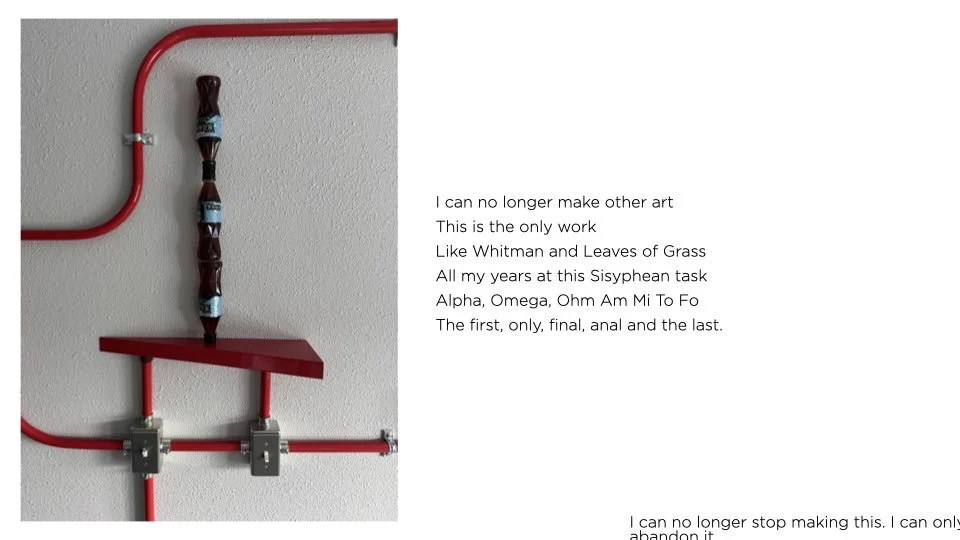
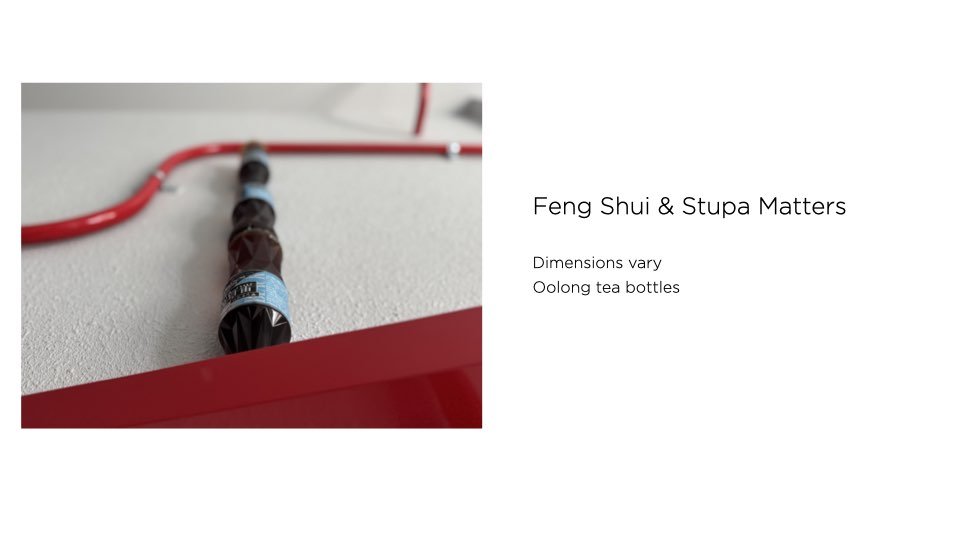
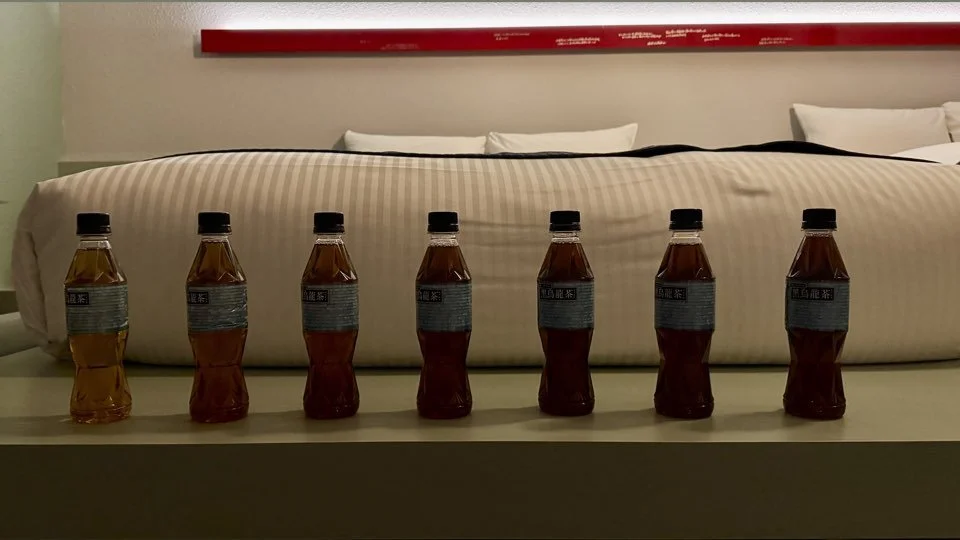
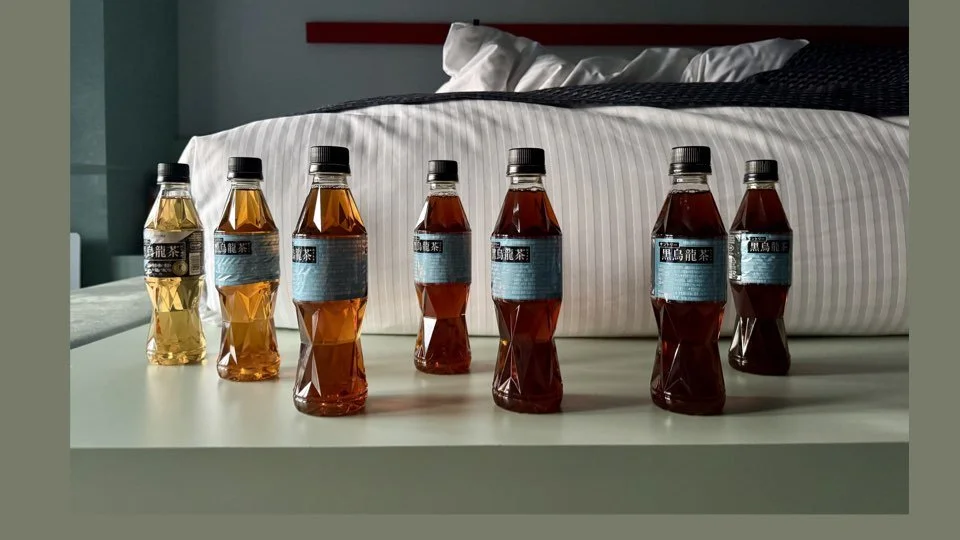
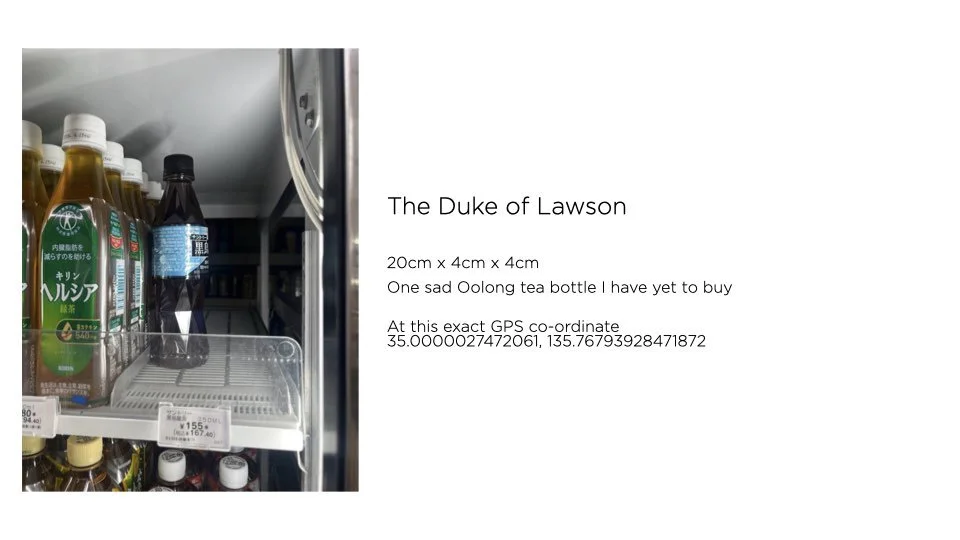
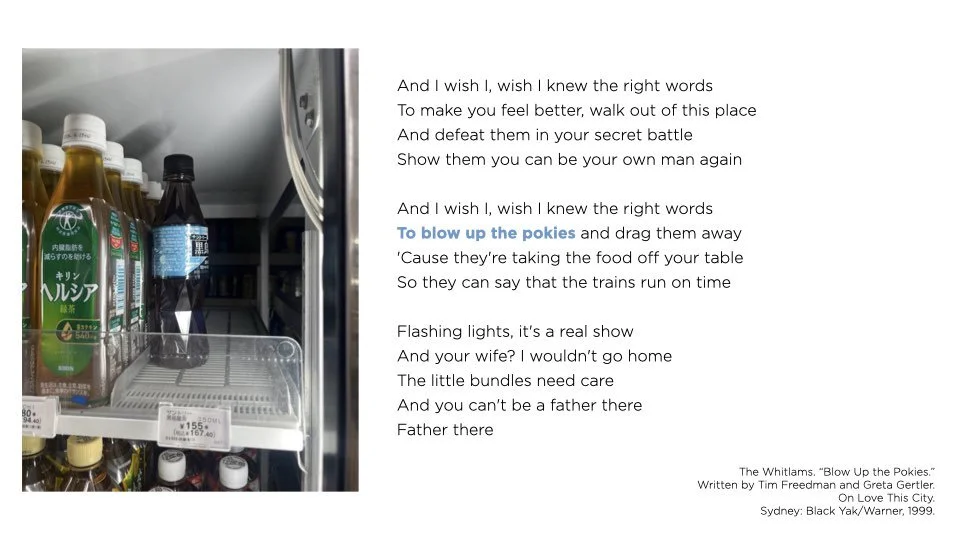
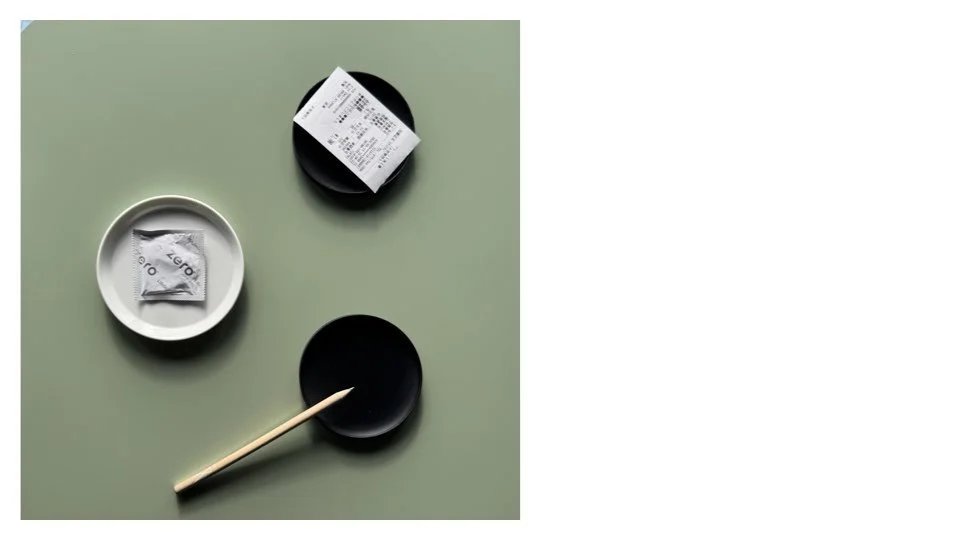
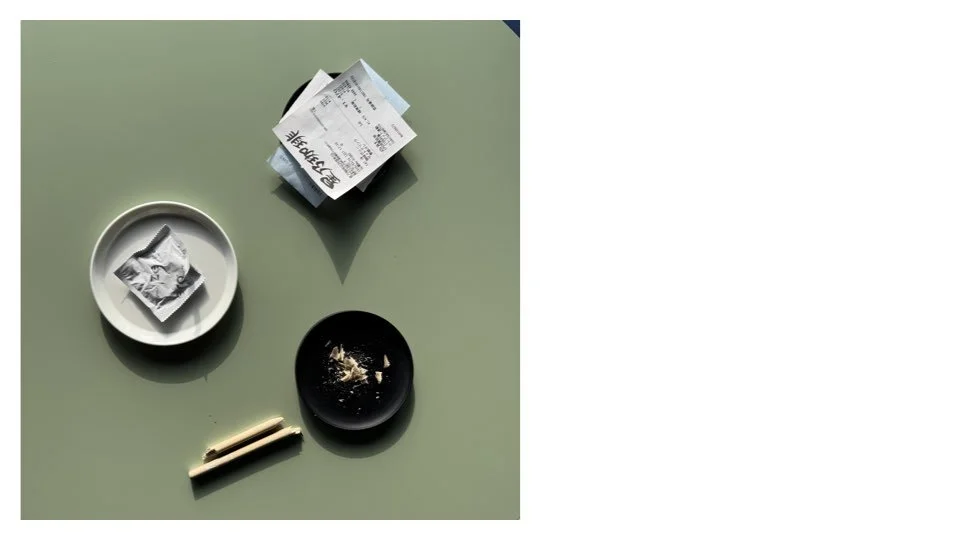
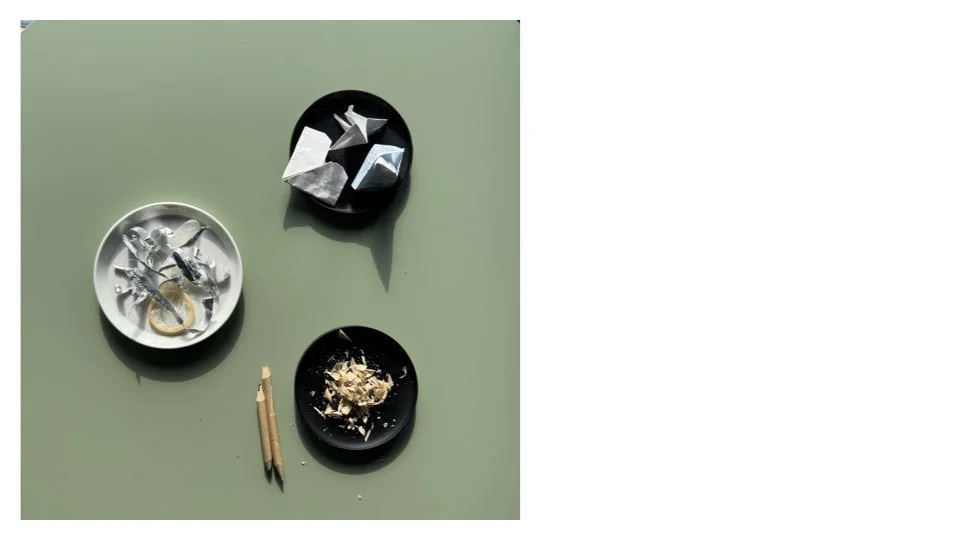
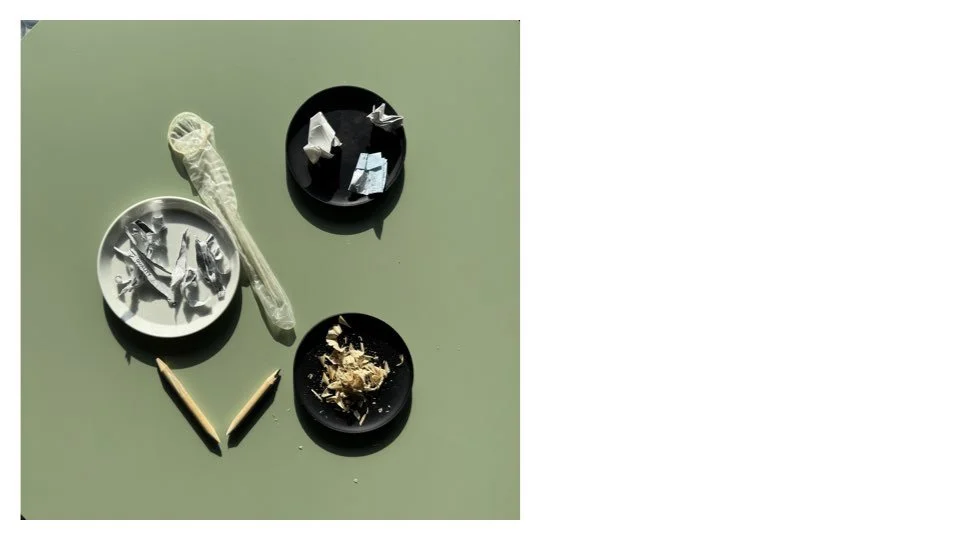
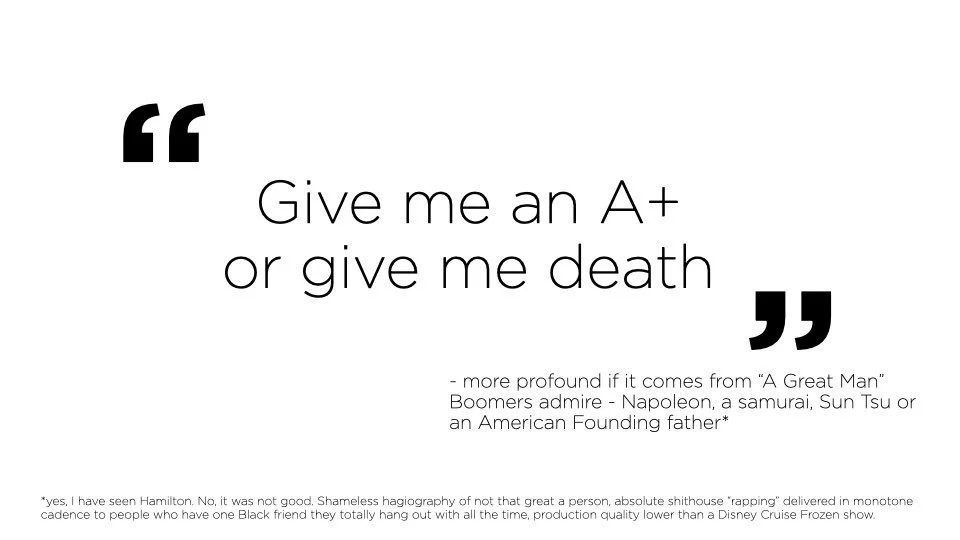
[EN] A found-object and poetry project presented as an artist zine. Crafted in response to my own acrimonious divorce; the rise of AI and successive Australian layoffs in the technology and banking industries of my friends and colleagues. This entire project was executed in just three days in the BnA Alter Museum, Kyoto, Japan.
[JP] ファウンド・オブジェクトと詩によるプロジェクトを、アーティスト・ジンとして発表。自身の泥沼化した離婚、AIの台頭、そして友人や同僚が働くオーストラリアのテクノロジー業界と銀行業界で相次いだ人員削減を受けて制作した。プロジェクト全体は、日本・京都のBnA Alter Museumにて、わずか3日間で制作された。
[FR] Un projet de poésie et d’objets trouvés, présenté sous la forme d’un zine d’artiste. Réalisé en réponse à mon propre divorce conflictuel, à l’essor de l’IA et aux vagues successives de licenciements en Australie dans les secteurs de la technologie et de la banque, qui ont touché mes amis et collègues. L’ensemble du projet a été réalisé en seulement trois jours au BnA Alter Museum, à Kyoto, au Japon.







To restlessly create
-
Remare Kids
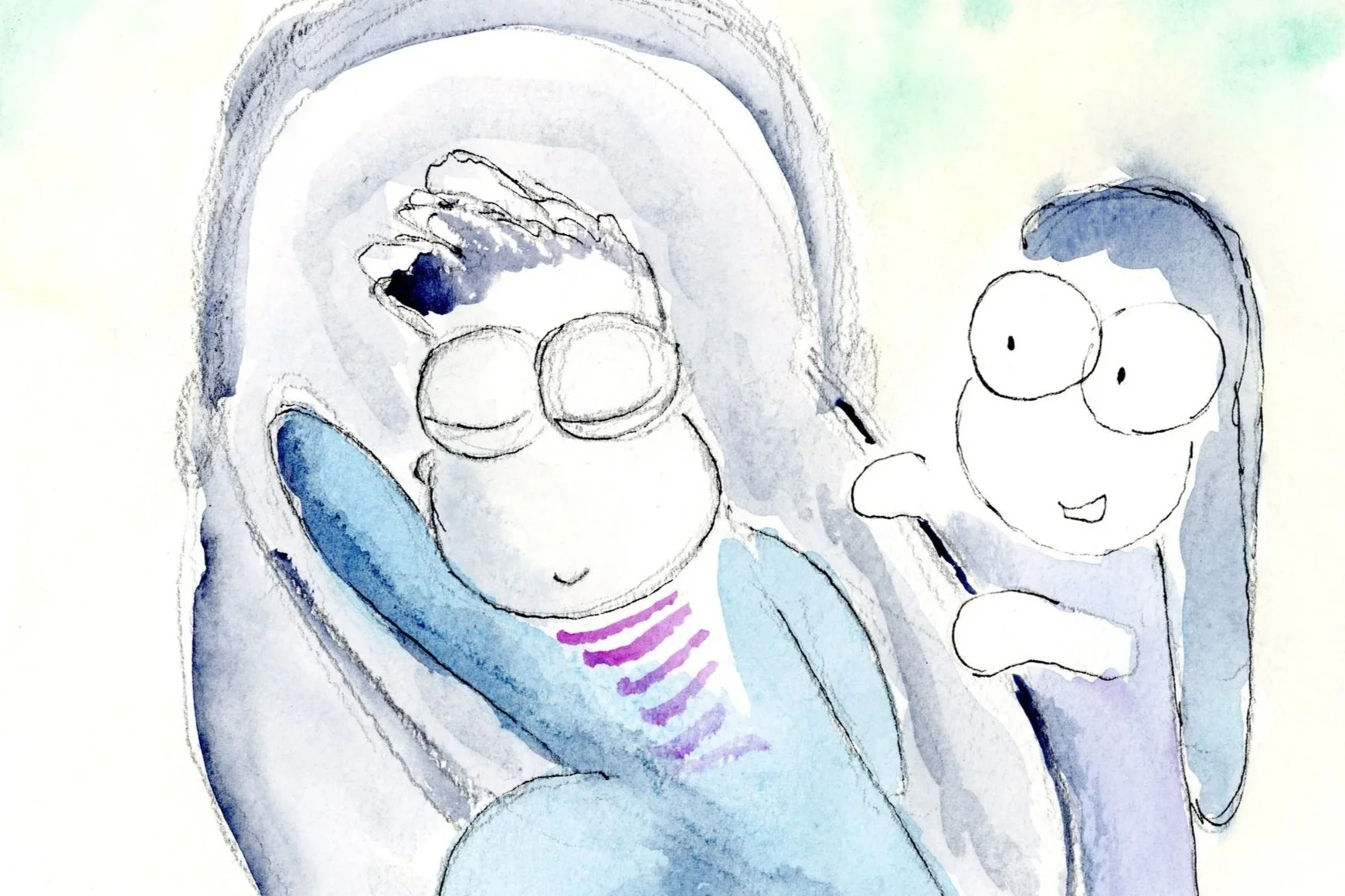
Children’s storybooks about emotional life, STEM, and literacy.
-
Stories
Cosy fantasy, speculative fiction, Lovecraftian strange fiction.
-

Art
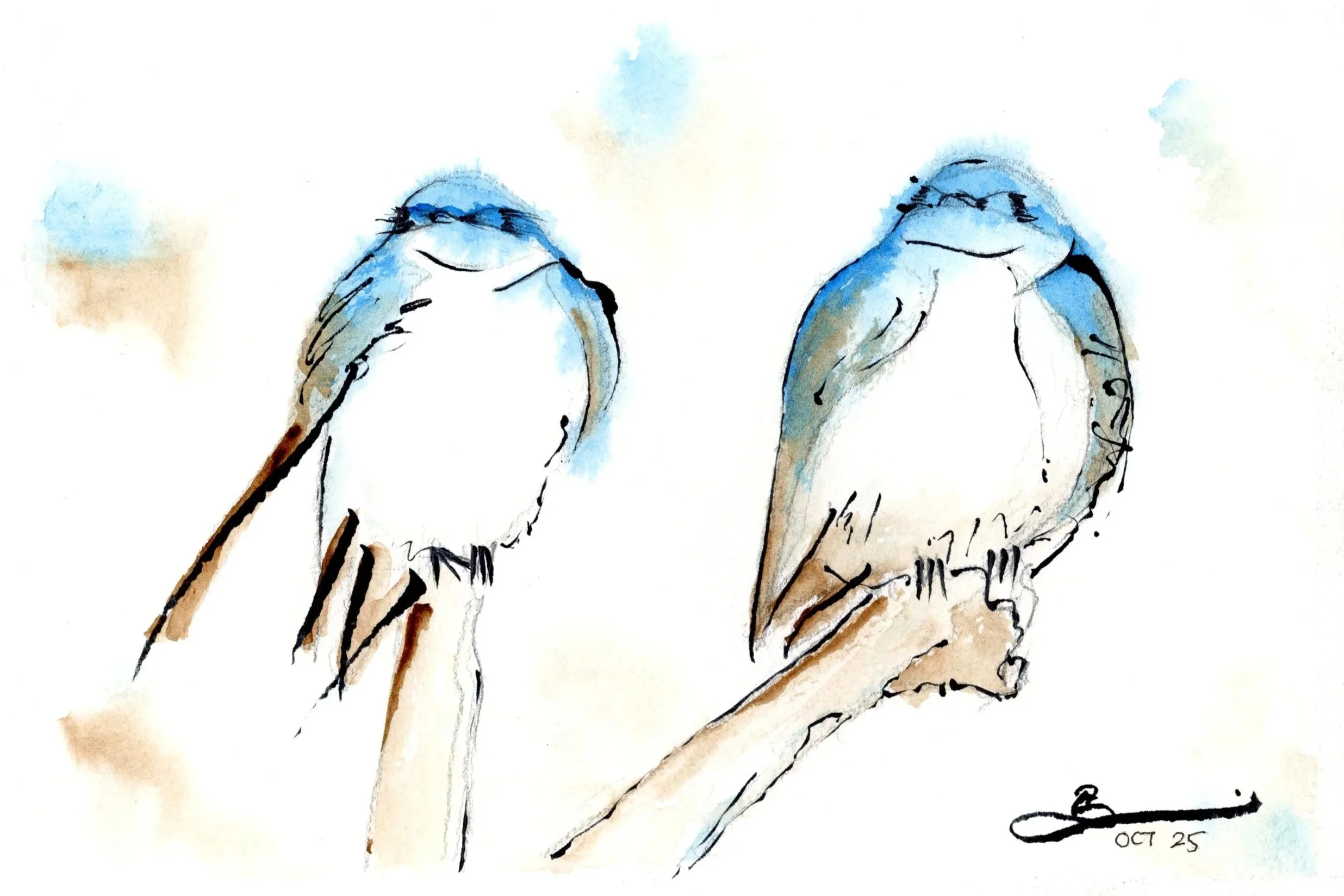
Watercolour paintings, framed originals and giclee prints - birds, nature, portraits.
-

Poetry
Translations of Tang Dynasty poetry, and echo poems.
-

Tabletop Roleplaying Games
A selection of indie settings and rulesets.
-

About
A little about me.